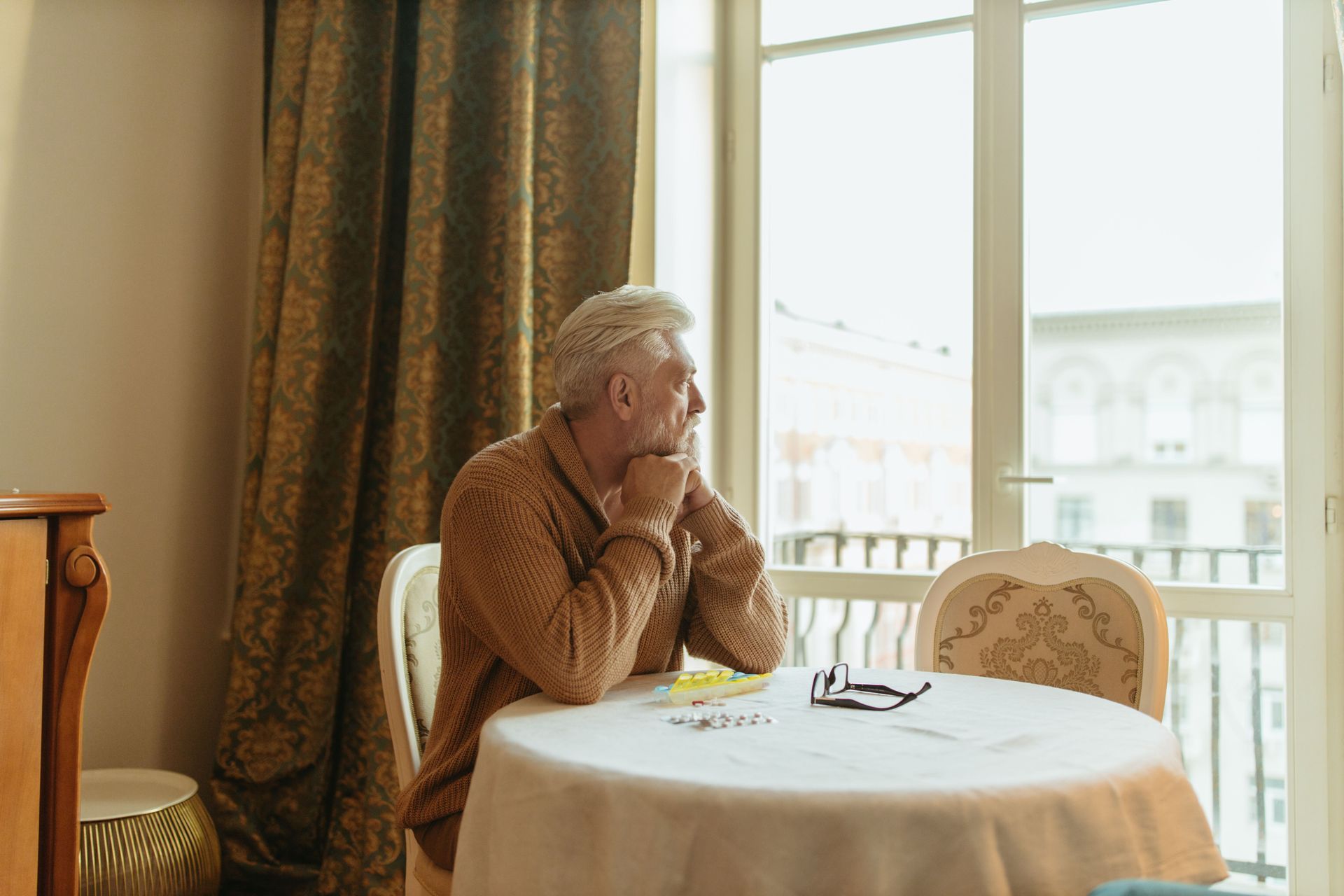
As November comes to an end, many families are already preparing for the festive season.
There may be more gatherings, shopping trips, family visits, community events, travel and changes to normal routines. For people with developmental disabilities, this can be an exciting time, but it can also bring challenges. A little preparation can help make the weeks ahead more comfortable, enjoyable and inclusive.
1. Talk About What Is Coming
Festive plans can involve many changes. Talk about upcoming visits, celebrations, travel and activities in advance. Where helpful, use a calendar, pictures or a simple schedule to show what is happening and when. Knowing what to expect can make unfamiliar situations easier to manage.
2. Keep Important Routines Where Possible
The festive season does not have to mean completely abandoning normal routines. Try to maintain important parts of the person's usual day, such as regular meals, rest periods, medication routines and familiar activities. A balance between celebration and consistency can help reduce unnecessary stress.
3. Plan for Busy Places
Shopping centers, parties and community events can become crowded and noisy during the festive season. Think about when and where the person is most comfortable. If a busy environment becomes overwhelming, have a quieter alternative or a plan for taking a break.
4. Let People Choose
The festive season can come with many expectations. Attend this event. Meet these relatives. Try this food. Take this photograph.
But inclusion means respecting individual choices.
Ask what the person wants to do. They may enjoy one activity and not another. They may want to stay for an hour rather than three. They may prefer spending time with a small group. Those choices matter.
5. Create Opportunities to Participate
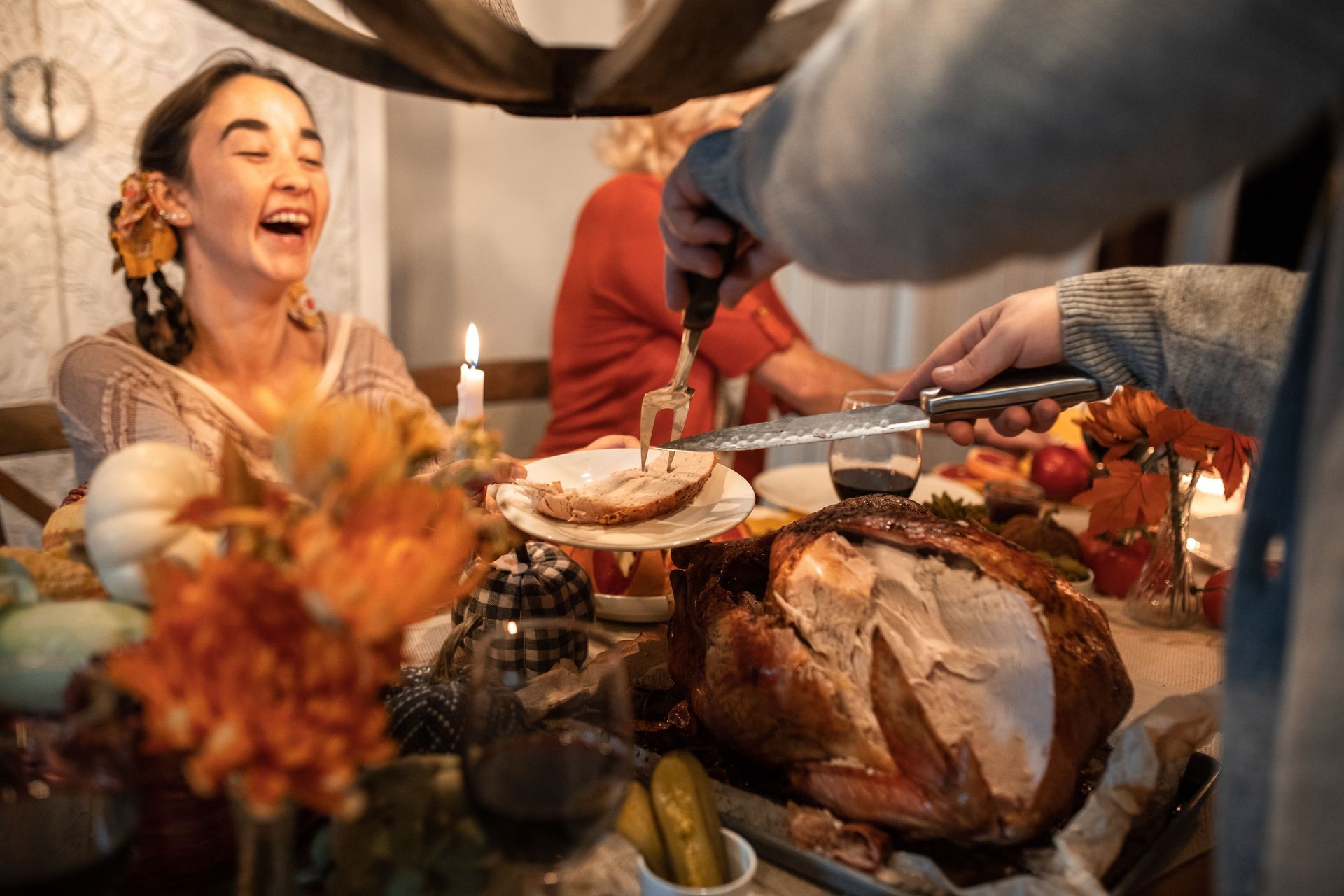
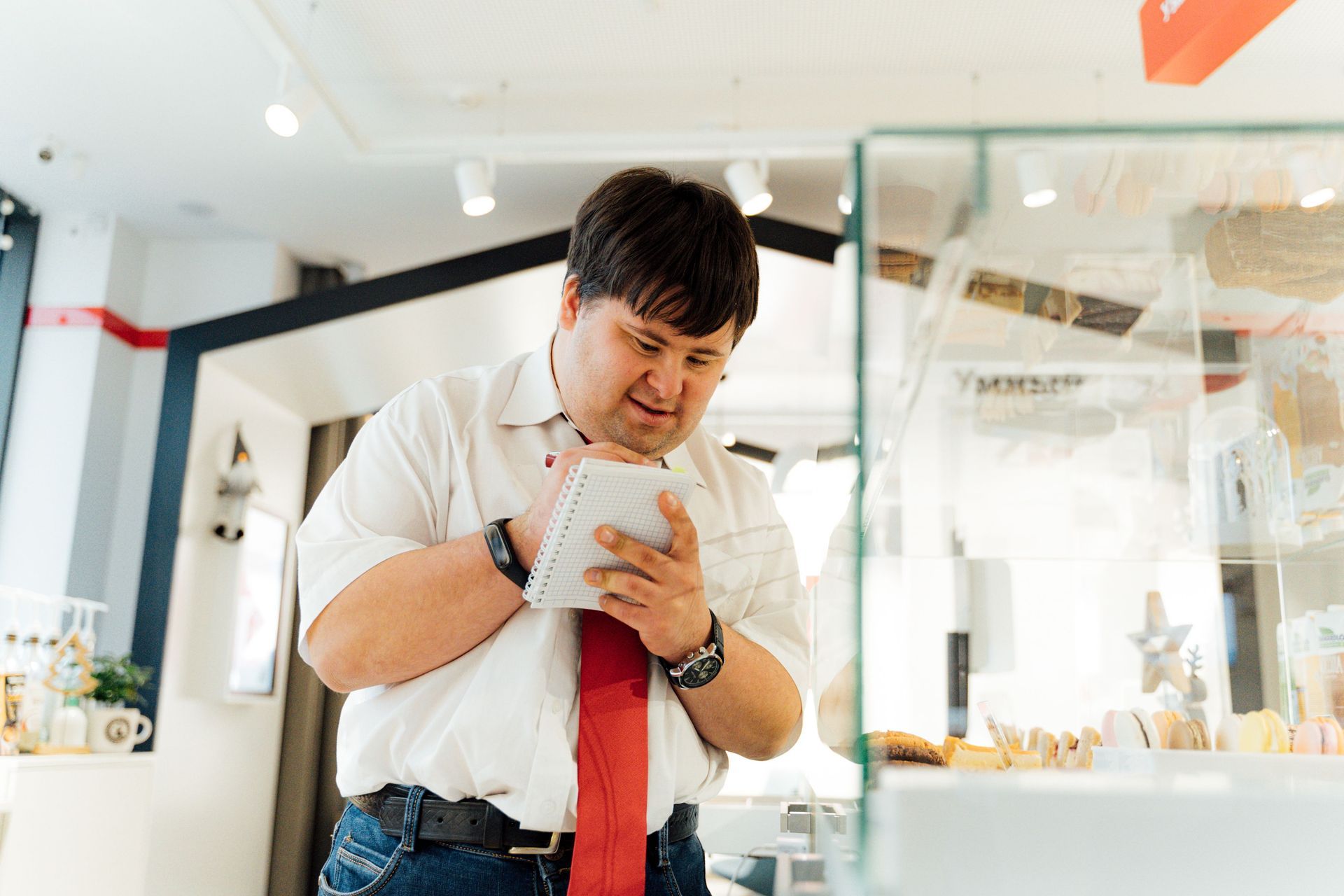
The holidays can provide many opportunities for people with developmental disabilities to contribute. They can help prepare food, decorate a room, wrap gifts, choose music, make cards, help with shopping or participate in community activities. The important thing is to focus on what the person can do and provide the support needed to participate.
6. Make Time for Connection
The festive season can be particularly meaningful when people feel connected. Make time for conversations, familiar activities, family traditions and simple moments together. For some people, a quiet conversation or favorite activity may be more meaningful than a large celebration.
7. End the Year With Encouragement
November does not have to end with everything completed or perfect. Take time to recognize progress. Celebrate skills developed, new experiences, relationships built and moments of independence. Then look ahead to the new year with encouragement and realistic goals.
Making the Festive Season Work for Everyone
A positive festive season does not require every person to participate in exactly the same way. It means creating opportunities for people to connect, contribute, make choices and enjoy the season according to their individual needs and preferences.
For families supporting people with developmental disabilities, preparation can make a significant difference. At Global Hands Inc., we believe meaningful support is about helping people participate in everyday life, develop independence and remain connected to their communities.
As November comes to an end, take a moment to prepare for the weeks ahead.
Plan ahead. Stay connected. Create opportunities. Make room for everyone.