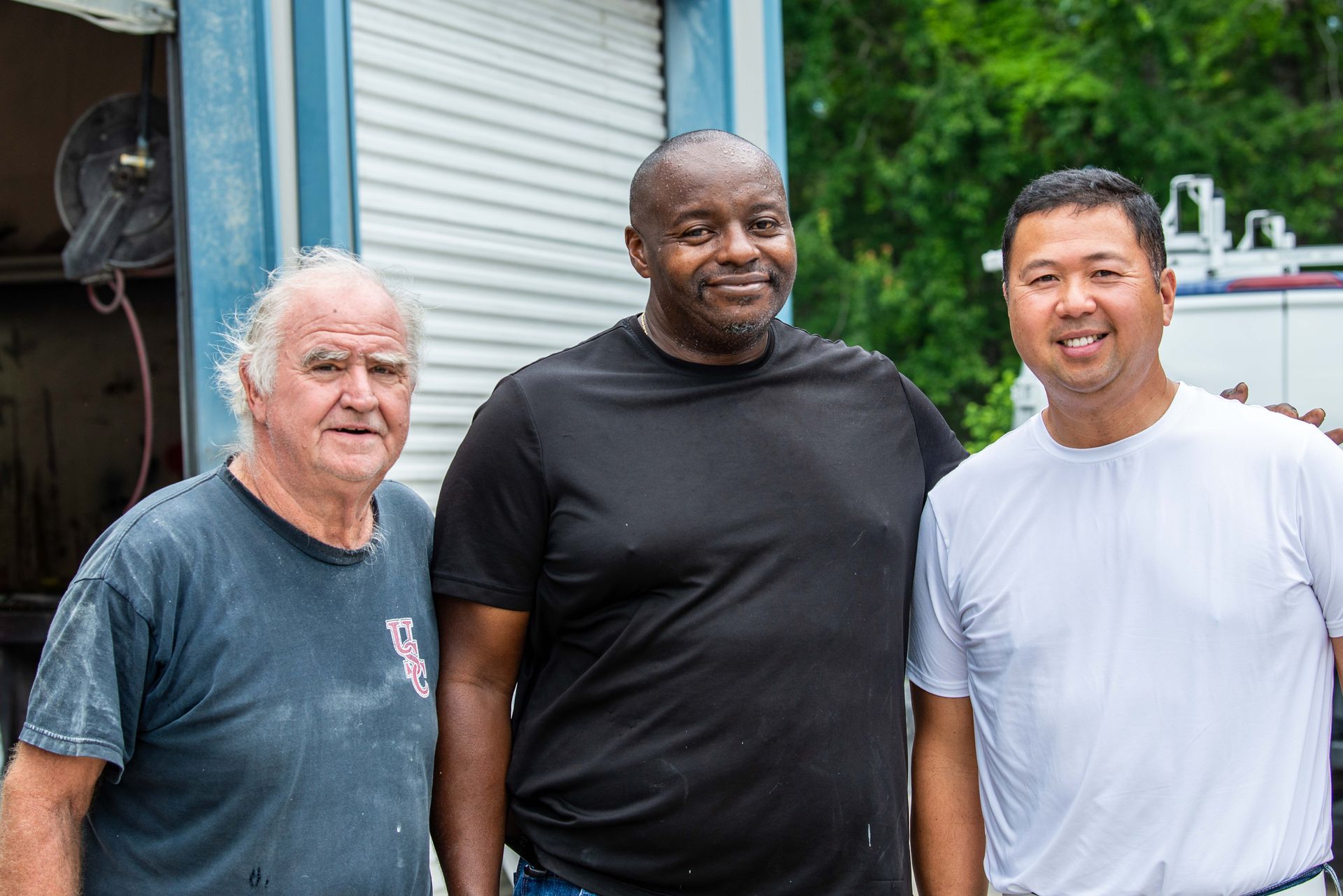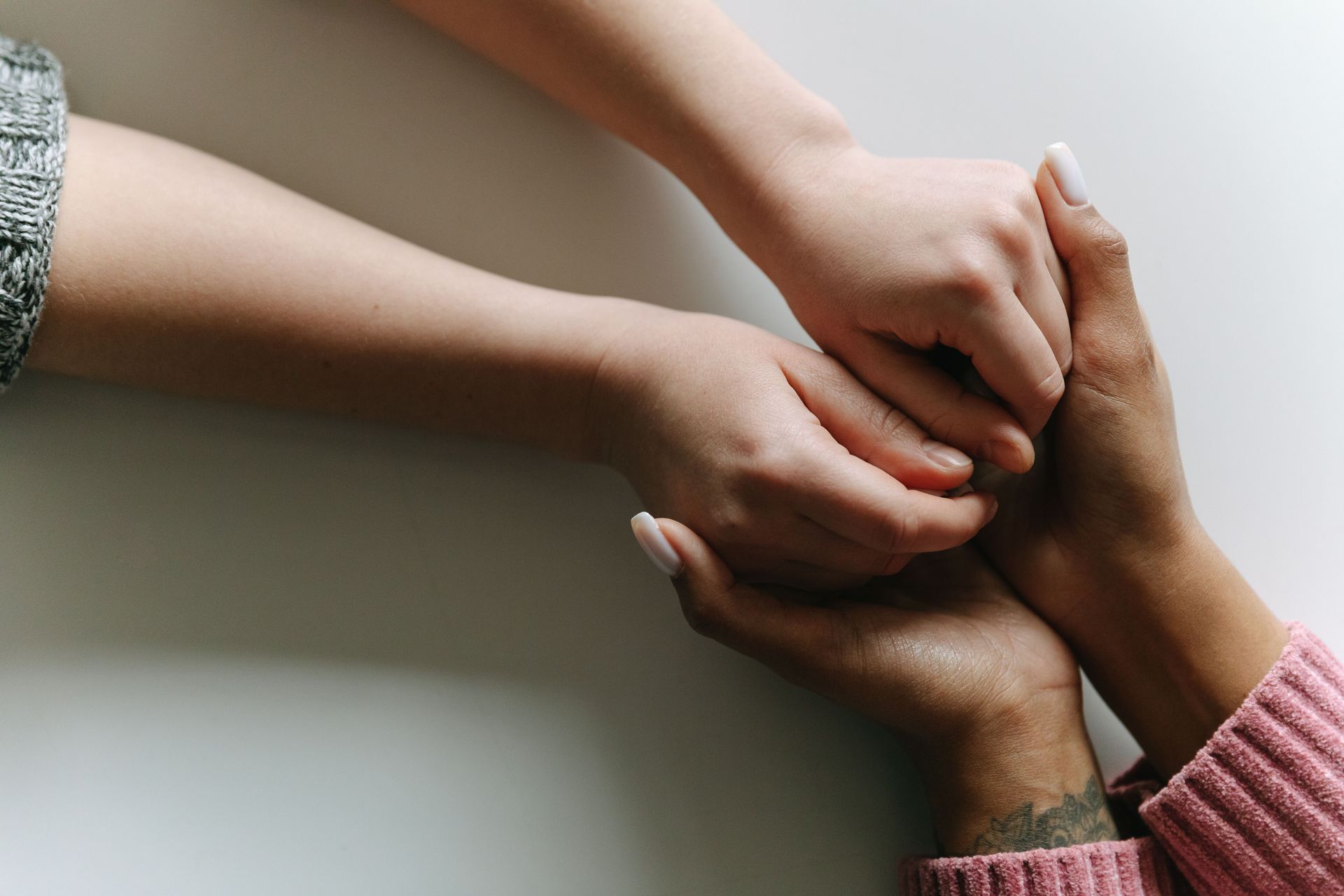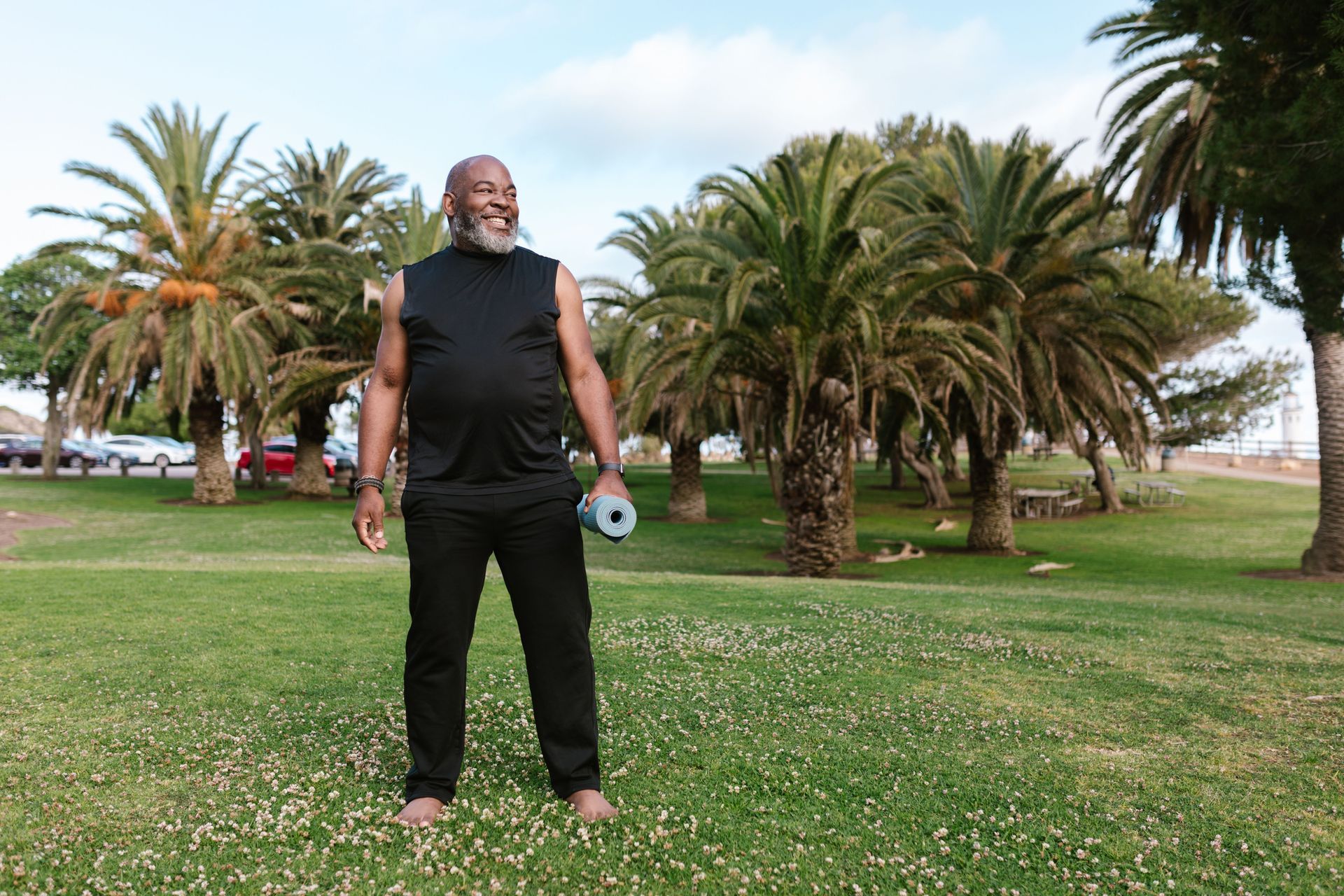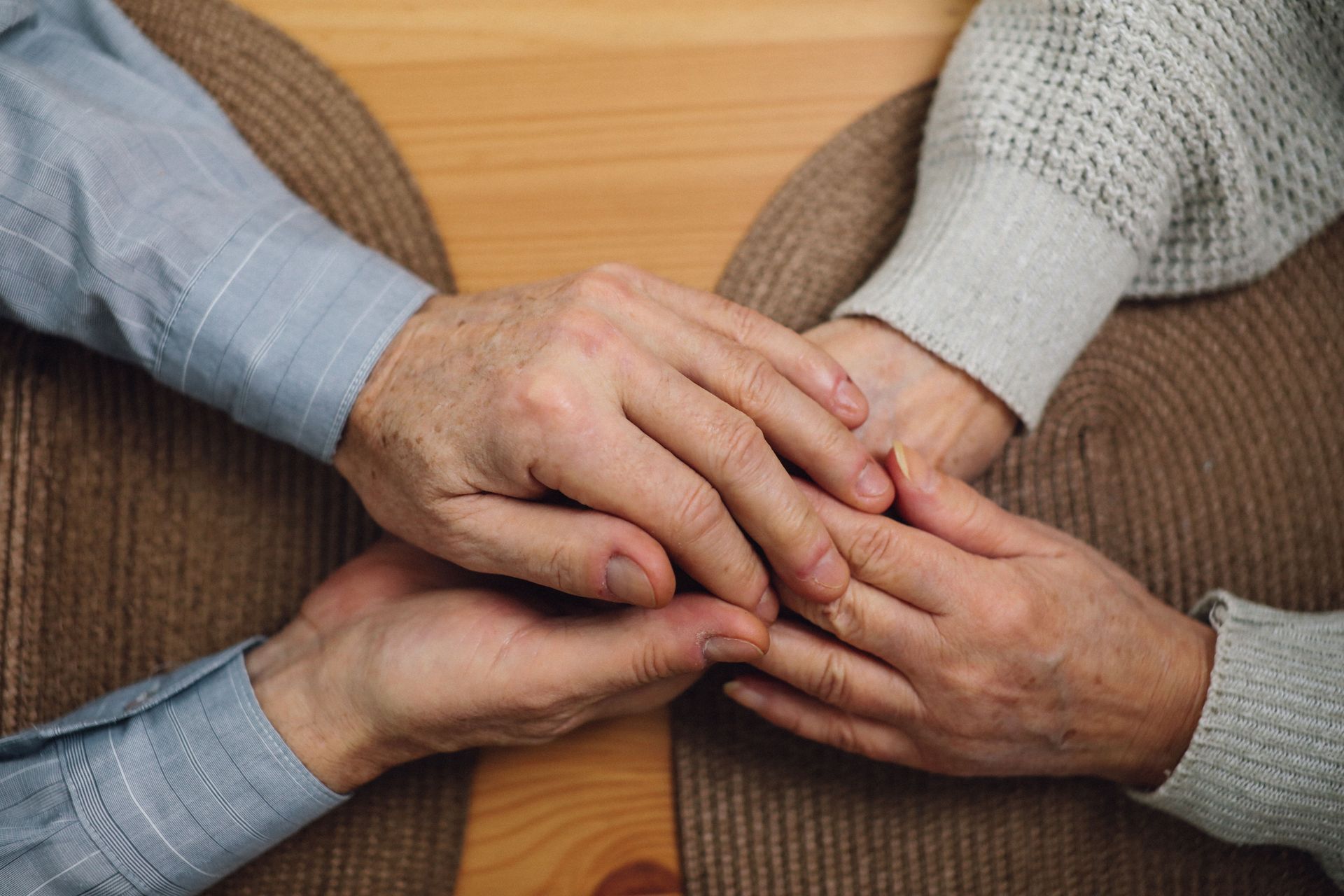
Showing affection to a person with a developmental disability can be simple.
A kind word. A smile. A conversation. A favorite activity together. A hug, when welcomed. Taking time to listen. But meaningful care should not stop there. People with developmental disabilities also need opportunities to learn, contribute, build relationships, make choices and participate in everyday community life. Care is not only about protecting someone. It is also about helping create a life where that person can belong and thrive.
Affection Should Respect the Individual
People express and receive affection differently. Some may enjoy a hug or a reassuring touch. Others may prefer a smile, encouraging words, shared activities or simply having someone spend time with them. The important thing is to respect the person's preferences and communication.
For people who communicate differently, supporters may need to pay attention to gestures, expressions, signs, technology or other forms of communication. Affection should never mean assuming what someone wants. It should mean getting to know the individual and respecting their choices.
Create Opportunities, Not Just Activities
It is easy to focus on keeping someone occupied.
A stronger approach is to ask:
- What does this person enjoy?
- What would they like to learn?
- Who would they like to spend time with?
- What contribution could they make?
- What goals matter to them?
These questions can lead to meaningful opportunities rather than simply filling time.
1. Create More Social Opportunities
Friendship matters. People with developmental disabilities should have opportunities to meet people, develop friendships and participate in social activities. This could include community events, sports, recreation, cultural activities, clubs or other interests. The goal is not simply to take someone somewhere. It is to help them participate meaningfully.
2. Encourage Skill Development
Learning does not stop because someone has a developmental disability. People can develop communication, cooking, budgeting, travel, social and other independent living skills with the right support.
Global Hands Inc.'s Community Development Services focus on skill development, community participation, self-advocacy and increasing independence. Support should build on what a person can do and help them develop what they want to learn next.
3. Create Opportunities to Work and Volunteer
Employment can provide more than income. It can provide routine, purpose, relationships, confidence and a sense of contribution.
Volunteering can also create opportunities for people to give their time and skills to their communities.
Global Hands Inc. provides employment support and internship and volunteer opportunities as part of its broader services. Employers, community organizations and families can all play a role by focusing on ability rather than assumptions.
4. Let People Make Choices
One of the most meaningful ways to show respect is to allow people to have a voice in their own lives.
- What do they want to eat?
- Where do they want to go?
- What activities do they enjoy?
- Who do they want to spend time with?
- What goals do they have?
Person-centered support means listening to those preferences and helping the individual make meaningful choices.
Global Hands Inc.'s community integrated programs are person-centered and person-directed, with support designed around individual preferences, needs and goals.
5. Make Community Spaces More Inclusive
Inclusion cannot happen if people are constantly excluded from ordinary community life. Businesses, employers, recreation providers, community organizations and families can all help create more welcoming environments. That may mean making communication more accessible, allowing additional time, improving physical accessibility or simply changing assumptions about what someone can do. Sometimes inclusion begins with an invitation.
6. See the Person, Not Just the Disability
A developmental disability is only one part of someone's identity. People also have personalities, interests, talents, preferences, relationships, ambitions and dreams.
Instead of asking only, “What support does this person need?”
Ask:
“What does this person want their life to look like?”
That question can change the way we think about support.
Building a More Inclusive Maryland
Creating opportunities for people with developmental disabilities benefits more than the individual. Communities become stronger when more people can participate, contribute and build relationships.
At Global Hands Inc., support includes community development, community integration, employment support, meaningful day services, personal support and other individualized services designed to help people participate more fully in everyday life.
- Families and care professionals can help by encouraging opportunities rather than placing unnecessary limits.
- Businesses can create inclusive employment opportunities.
- Community organizations can make activities more accessible.
- Neighbors can offer friendship.
- And everyone can start by treating people with developmental disabilities as people first.
Show care. Create opportunities. Make room for everyone to belong.
#DevelopmentalDisabilities #DisabilityInclusion #IDD #CommunityIntegration #DevelopmentalServices #EmploymentSupport #Maryland #GlobalHandsInc