Thanksgiving is often a time for family, food, conversation and togetherness.
But for someone with a developmental disability, a large holiday gathering can sometimes feel very different. New surroundings, unfamiliar people, loud conversations, changes in routine, strong smells and a busy schedule can make the day overwhelming.
That does not mean people with developmental disabilities should be left out of Thanksgiving celebrations. In fact, the holiday can be an opportunity to create a more welcoming environment where everyone can participate in ways that work for them.
Here are some practical ways families and caregivers can make Thanksgiving more inclusive.
1. Prepare for Changes in Routine
Many people with developmental disabilities benefit from knowing what to expect. Thanksgiving can bring changes to normal routines, including different meal times, visitors, travel and activities. Where possible, explain what will happen before the day. Let the person know where they are going, who may be there and what activities are planned. A simple conversation or visual schedule can help make the day feel more predictable.
2. Consider Sensory Needs
Holiday gatherings can become noisy quickly. Multiple conversations, television, music, kitchen activity and children playing can create a lot of sensory stimulation. Consider having a quieter space available where someone can take a break if they become overwhelmed. Taking a break should not be treated as refusing to participate. It can simply be a way to manage the environment and return when ready.
3. Respect Food Preferences
Food is a major part of Thanksgiving, but not everyone enjoys the same foods. Some people may have strong food preferences or sensitivities. Others may prefer familiar foods rather than trying a large selection of unfamiliar dishes. Offer choices where possible. The goal should be participation, not forcing someone to eat something simply because it is part of the traditional Thanksgiving meal.
4. Give People a Role
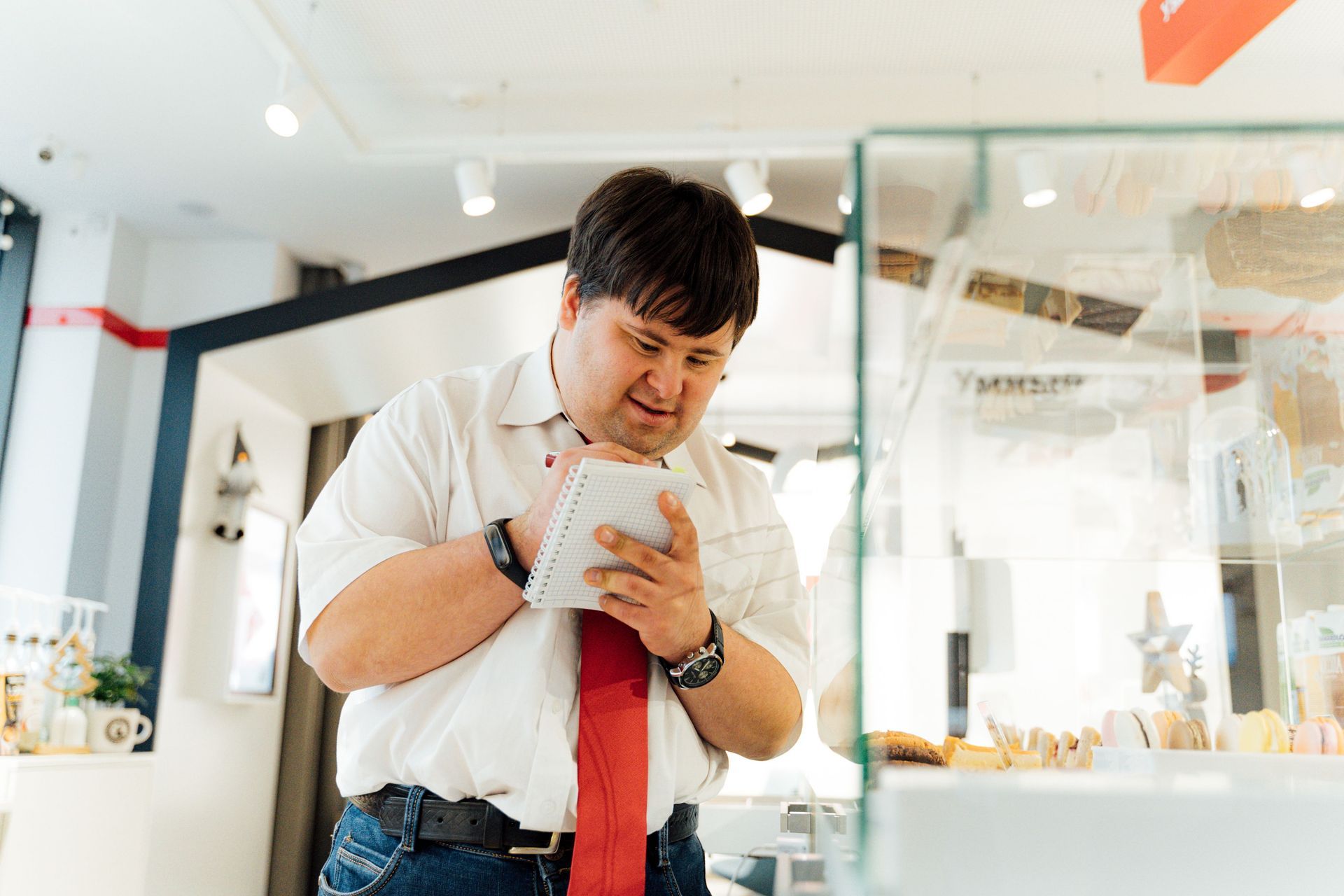
Being included does not always mean sitting at the table for the entire celebration. People can participate by helping prepare food, setting the table, choosing music, greeting guests, decorating, helping with a game or taking photographs. Choose activities based on the person's interests, abilities and preferences. Being given a meaningful role can help someone feel that they are contributing to the celebration rather than simply attending it.
5. Allow Communication to Happen in Different Ways
Not everyone communicates in the same way. Some people may communicate verbally, while others may use gestures, communication devices, pictures or other forms of support. Family members and guests should give people time to communicate rather than rushing to answer for them. Patience can make social interaction much more comfortable.
6. Give People Choices
Inclusion also means respecting personal choices. Who would they like to sit with? What would they like to eat? Would they like to join the conversation? Would they prefer a quiet activity? Whenever possible, give the person an opportunity to make decisions about their own Thanksgiving experience. Choice supports independence and dignity.
7. Focus on Connection, Not Perfection
A successful Thanksgiving does not have to look a certain way. For one person, it may mean sitting around a large family table. For another, it may mean enjoying a favorite meal with one or two people, taking a quiet break or participating in a short activity. What matters is that the person feels welcomed, respected and included.
Making Room for Everyone
Thanksgiving is ultimately about connection and gratitude. For families supporting someone with a developmental disability, it can also be a reminder that inclusion starts with making room for different needs, preferences and ways of participating.
At Global Hands Inc., we believe meaningful support should help people build connections, develop skills, participate in their communities and experience greater independence. This Thanksgiving, think beyond simply inviting someone to the table.
Ask what would help them feel comfortable. Give them choices. Create opportunities to participate. And make sure they know they belong.