Mental Health and Developmental Disabilities | Support and Awareness in Maryland
Mental health and developmental disabilities are closely connected, yet this relationship is often misunderstood. Many individuals with developmental disabilities also experience mental health challenges that require compassionate, individualized, and comprehensive support.
Developmental disabilities may include conditions such as autism spectrum disorder, cerebral palsy, intellectual disabilities, Down syndrome, ADHD, and other lifelong conditions that affect learning, communication, mobility, or independent living. Awareness campaigns across the country continue to emphasize the importance of inclusion, opportunity, and community support for individuals with developmental disabilities.
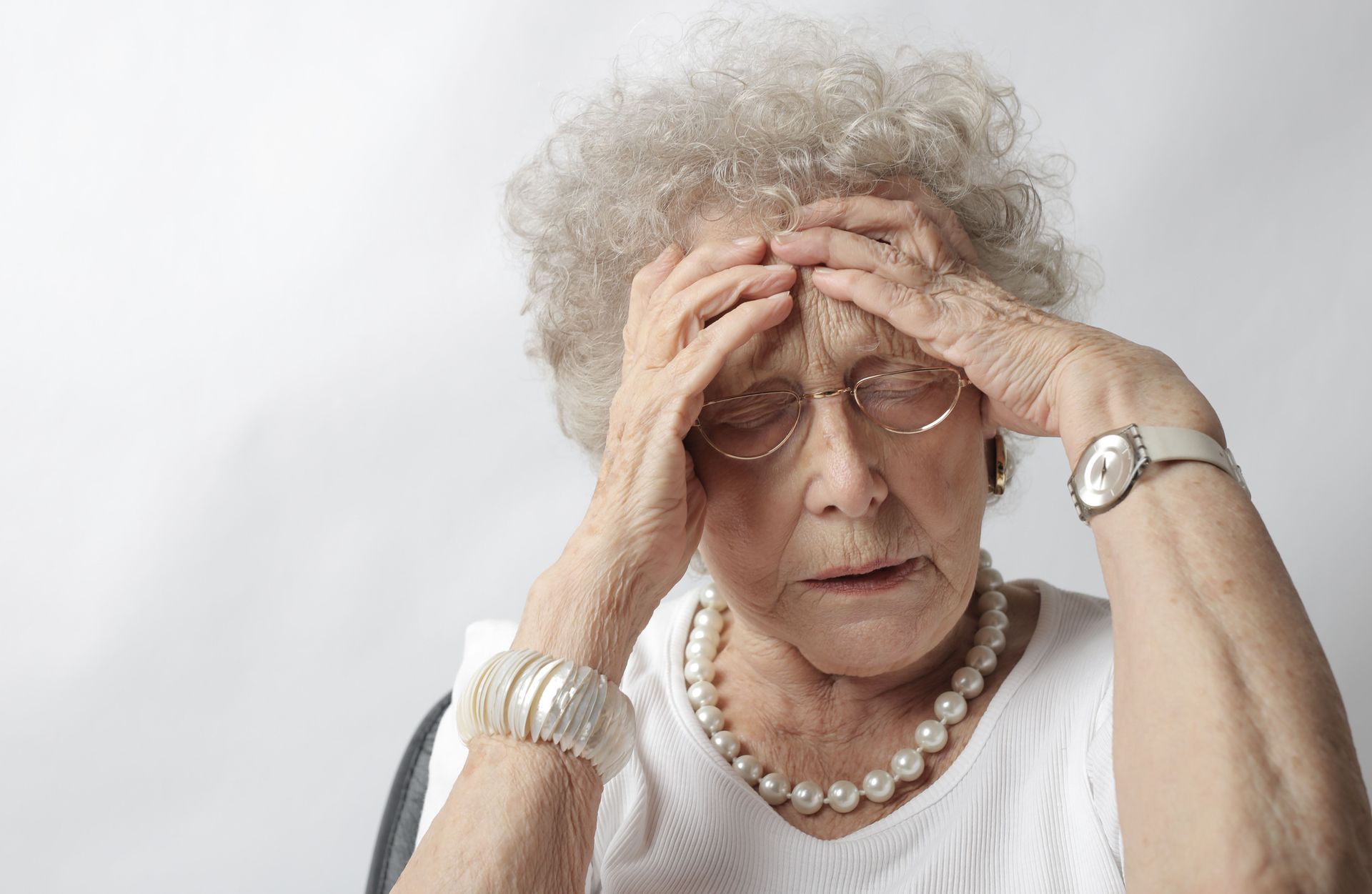
At the same time, people with developmental disabilities may also experience anxiety, depression, emotional regulation difficulties, trauma, social isolation, or behavioral health concerns. Unfortunately, mental health symptoms are sometimes overlooked because they may present differently in individuals with developmental disabilities.
For example, emotional distress may appear as changes in behavior, withdrawal, aggression, sleep disruption, difficulty communicating emotions, or increased sensitivity to routines and environments. Families and caregivers may struggle to identify whether these behaviors are linked to emotional wellbeing, communication difficulties, or underlying mental health concerns.
This is why person-centered care is so important.
Supporting individuals with developmental disabilities requires understanding the whole person, not just a diagnosis. Effective care often includes:
- Emotional and behavioral support
- Structured routines and coping strategies
- Communication assistance
- Family education and caregiver support
- Social skills development
- Access to mental health professionals
- Community inclusion opportunities
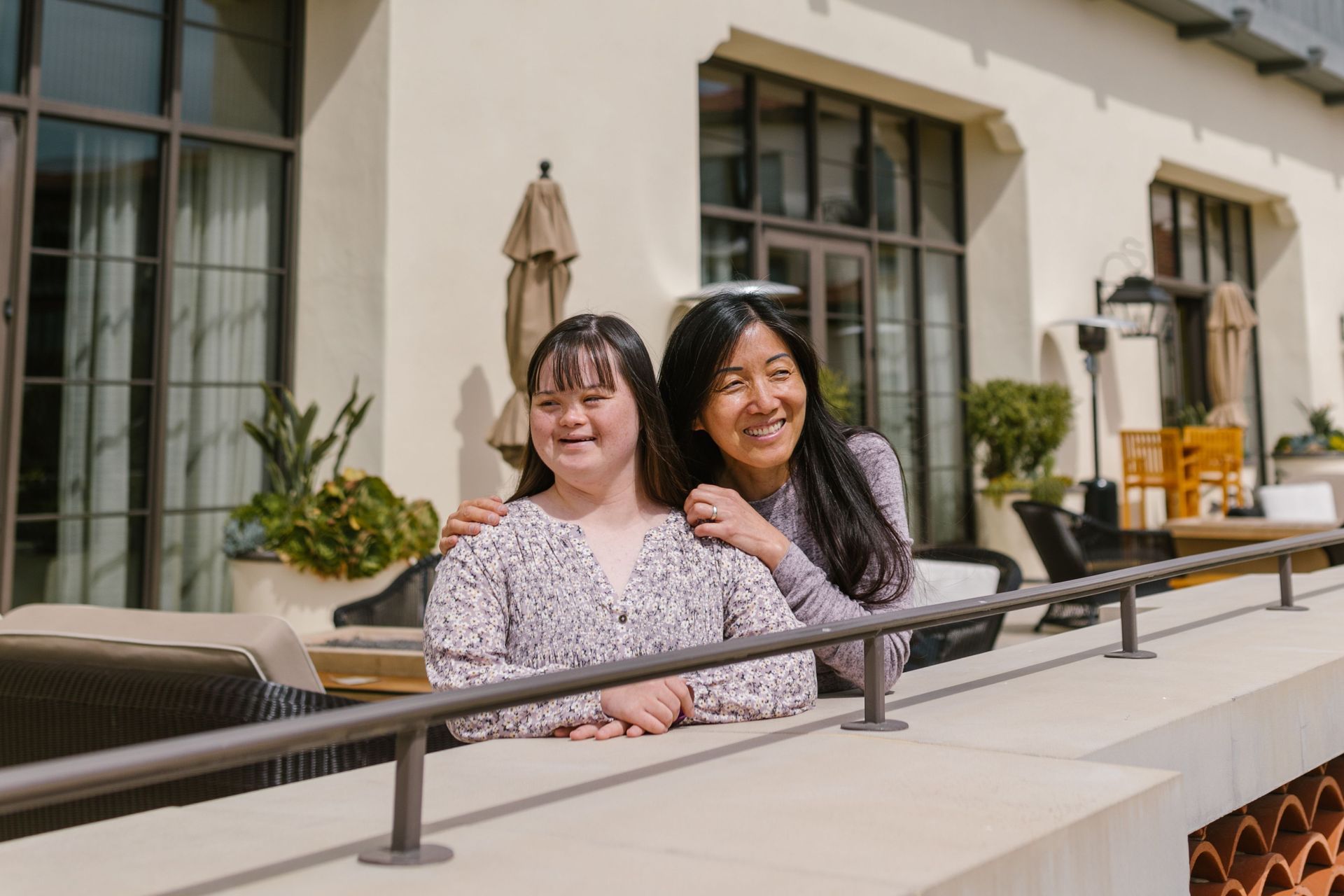
Inclusive environments also have a major impact on mental wellbeing. When individuals feel accepted, respected, and supported, they are more likely to build confidence, independence, and healthy social relationships. Maryland continues to promote opportunities for individuals with developmental disabilities to live, work, learn, and participate fully in their communities.
Caregivers and families also need support. Caring for a loved one with complex developmental and emotional needs can be emotionally demanding. Access to respite care, behavioral resources, counseling, and community programs can help families maintain balance and reduce caregiver stress.
Mental health awareness within the developmental disability community continues to grow as more professionals advocate for integrated care models that address both behavioral health and developmental support needs together. This approach improves communication between providers, increases early intervention opportunities, and helps individuals receive more effective long-term support.
Communities can help by promoting acceptance, reducing stigma, encouraging accessibility, and recognizing that people with developmental disabilities deserve the same opportunities for emotional wellness and mental health support as everyone else.
Every individual deserves dignity, understanding, inclusion, and access to services that support both emotional and developmental wellbeing.
To learn more about compassionate mental health and developmental disability support services in Maryland, visit Global Hands Inc. today.
#DevelopmentalDisabilities #MentalHealth #BehavioralHealth #Maryland #globalhandsinc #AutismAwareness #InclusiveCare #MentalWellness #DisabilitySupport #CommunityInclusion