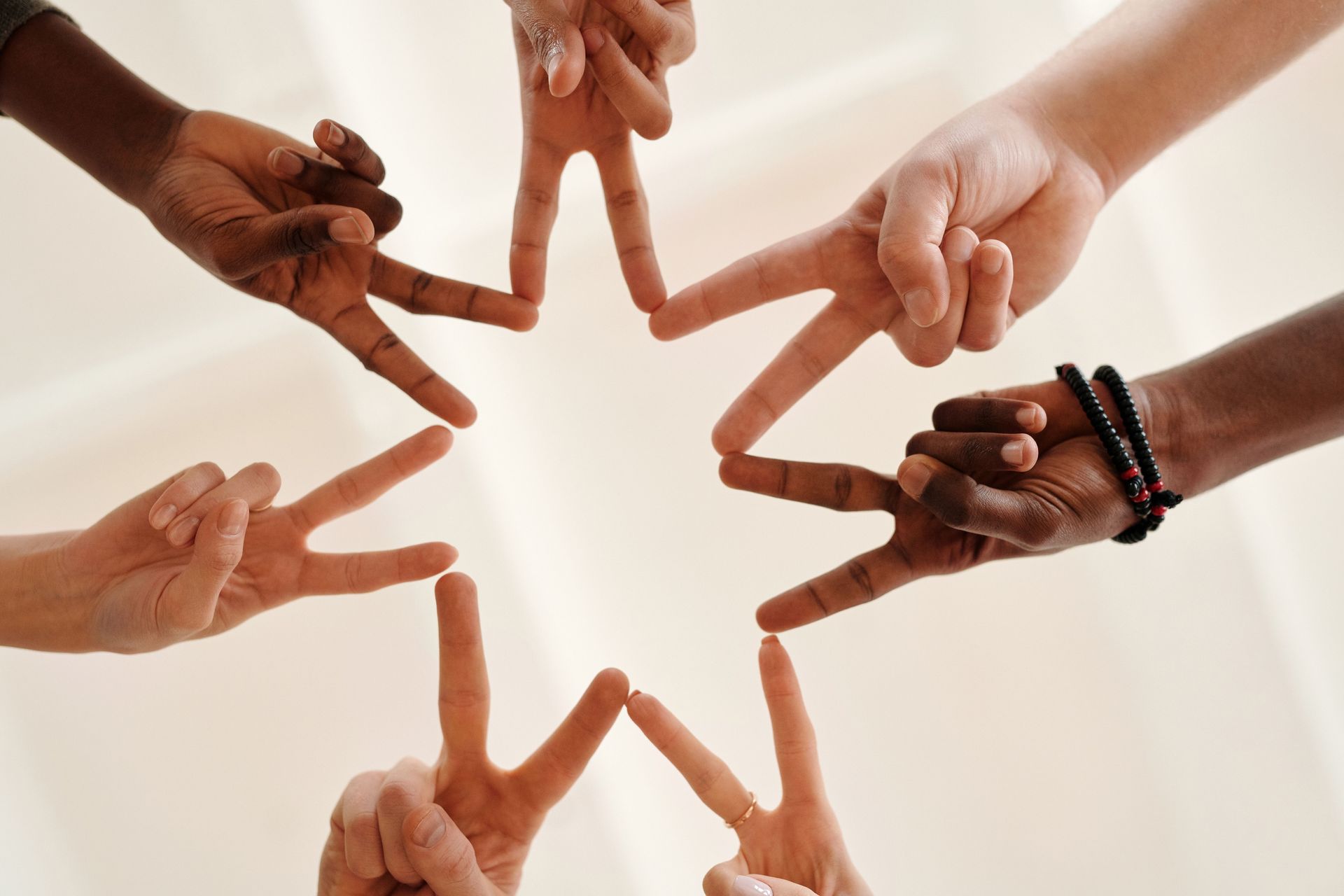
Every year on April 15, National ASL Day is observed to celebrate American Sign Language (ASL) and the vibrant Deaf community it represents. This day marks a historic milestone, the founding of the first school for the Deaf in the United States in 1817, which played a pivotal role in the development and spread of ASL.
American Sign Language is far more than a tool for communication. It is a complete and complex language with its own grammar, structure, and cultural identity. Used by hundreds of thousands of individuals, ASL empowers people who are Deaf or hard of hearing to communicate effectively, express emotions, and fully participate in society.
Why ASL Matters in Mental Health and Care Services
Communication is at the heart of effective healthcare and support services. For individuals with hearing impairments, barriers to communication can lead to misunderstandings, misdiagnosis, and feelings of isolation. ASL bridges this gap by providing a direct and expressive way to communicate needs, emotions, and concerns.
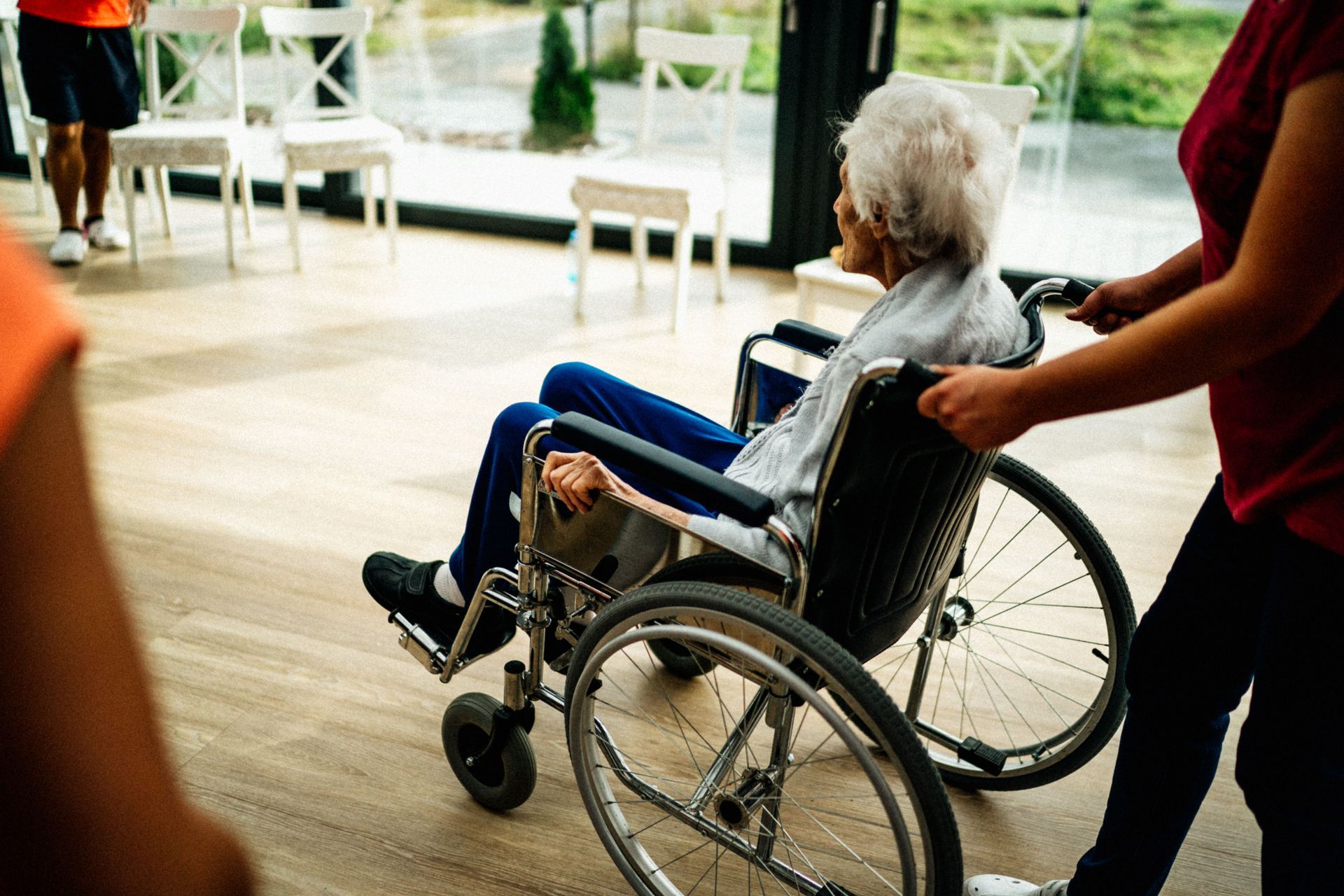
In mental health and developmental care settings, accessibility is not optional, it is essential. When individuals are able to communicate in their preferred language, outcomes improve significantly. They feel heard, respected, and understood, which contributes to better emotional well-being and trust in care providers.
The Role of Inclusion in Building Stronger Communities
National ASL Day is not only about language, it is about inclusion. It reminds us that accessibility should be embedded in every aspect of society, from education and healthcare to workplaces and social environments. Learning even basic ASL can make a meaningful difference. Simple gestures, like greeting someone or asking how they are feeling, can foster connection and reduce barriers. As awareness grows, so does the opportunity to create environments where everyone can thrive.
Supporting the Deaf Community Beyond Awareness
True inclusion goes beyond celebrating a single day. It involves continuous efforts such as:
- Providing interpreters in healthcare and community services
- Offering ASL training for staff and caregivers
- Creating accessible digital and physical environments
- Promoting policies that support equal communication rights
These actions help ensure that individuals who rely on ASL are not left behind.
A Call for Action
National ASL Day is a reminder that communication is a human right. By embracing inclusive practices and promoting awareness, we can build a society where no one is excluded because of how they communicate.
Learn a few ASL signs today, advocate for inclusive communication, and support accessible care services in your community. Visit www.globalhandsinc.com to learn more about how compassionate, inclusive care can make a difference.