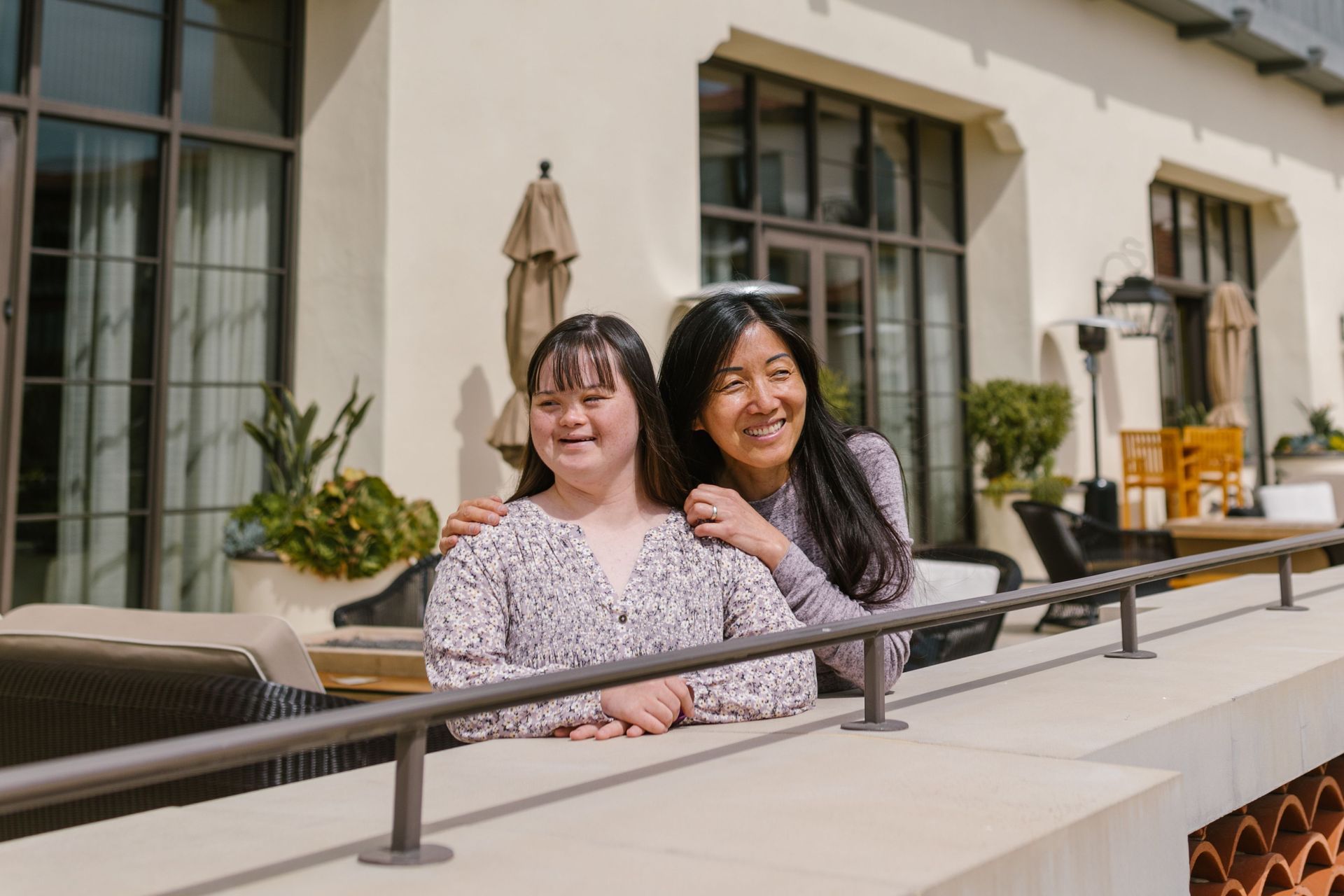
Conquer Workplace Stress: Tips for a Calmer, More Productive You

Work can be incredibly rewarding.

But it can also be a significant source of stress. Deadlines, demanding workloads, and interpersonal conflicts can leave you feeling overwhelmed and burnt out. But don't worry, you're not alone! Here are some effective strategies to help you manage workplace stress and cultivate a healthier, happier work experience.


1. Prioritize and Manage Your Time:

Feeling like you're constantly playing catch-up? Take control of your schedule! Start by creating a daily to-do list, prioritizing tasks by importance and urgency. Break down larger projects into smaller, more manageable steps. Utilize time management tools like calendars and planners to stay organized and avoid feeling rushed.


2. Set Boundaries and Disconnect:

The constant ping of emails and notifications can be a major stressor. Set clear boundaries between your work life and personal life. Turn off notifications during breaks and after work hours. Consider setting designated times to check emails and avoid the temptation to respond outside of work hours.


3. Embrace the Power of Breaks:

Short, regular breaks are essential for maintaining focus and reducing stress. Get up and move around, stretch, step outside for some fresh air – even a few minutes can make a big difference. Consider incorporating short mindfulness exercises like deep breathing or meditation during your break for an extra dose of calm.


4. Cultivate Healthy Habits:

Taking care of yourself physically and mentally is crucial for managing stress. Make sure you're getting enough sleep, eating nutritious foods, and staying hydrated. Regular exercise is a fantastic stress reliever, so find an activity you enjoy, whether it's walking, yoga, or hitting the gym.


5. Develop Supportive Relationships:

Having a strong support system at work can make a world of difference. Connect with colleagues who share similar interests or struggles. You'd be surprised how simply talking things out with someone who understands can significantly ease the burden.


6. Practice Relaxation Techniques:

Techniques like deep breathing, progressive muscle relaxation, and guided imagery can help your body and mind unwind. Consider taking a mindfulness course to learn more techniques and cultivate a sense of calm in stressful situations.

Remember, you have the power to manage workplace stress and create a more positive work environment. Take charge of your time, prioritize self-care, and don't be afraid to ask for help when needed.


Looking for additional resources and support to manage work stress? Explore our website for informative articles and contact us to learn more about our mental health and wellness services!


Open palms with a red love heart resting in them.
By Global Hands Inc. December 12, 2025
Gain confidence and independence with person-centered developmental disability support. We focus on communication, daily living skills, and community inclusion.
Heavy snow falls onto a quiet, tree-lined road illuminated by the soft glow of lights
By Global Hands Inc. December 9, 2025
Cold nights increase stress & isolation. Create a warm, calming environment, and implement routines for mental health and developmental disabilities this winter.
Smiling woman wearing warm clothing while standing in snow, expressing warmth and positivity.
By Global Hands Inc. December 3, 2025
Meaningful progress. Celebrate the start of December with a focus on empowerment, stability, & inclusive support for individuals with developmental disabilities.
Sea meeting shoreline at sunset with mountains in background, creating a peaceful & reflective scene
By Global Hands Inc. November 30, 2025
Look back at November’s progress in support, & inclusive care. Explore how collaborative efforts, empowerment, & person-centered approaches help individuals thrive.
By Global Hands Inc. November 27, 2025
While Thanksgiving is often associated with celebration and gratitude, it can also be emotionally complex for many individuals. The holiday may bring social pressure, sensory challenges, or memories that are difficult to navigate. Preparing emotionally can help make the day feel more secure and meaningful. Families can begin with open conversations about expectations. Asking individuals what they feel comfortable with, what worries them, or what traditions they enjoy empowers them to participate in ways that feel safe and supported. Providing sensory-friendly alternatives—such as quiet meals, small gatherings, or virtual check-ins—can transform the holiday into a more accessible experience. Setting a flexible schedule is important. Rather than pushing for perfection, families can embrace a slower pace with room for breaks, calm activities, or adjustments as needed. Emotional check-ins throughout the day can help individuals communicate how they feel and what support they need. Thanksgiving is also an ideal time to practice gratitude in a personalized, accessible way. This might include writing or drawing about positive moments, using communication devices to share thoughts, or simply acknowledging progress made throughout the year. For individuals and families seeking professional assistance during the holiday season, compassionate support is available. Reach out to Global Hands Inc. for guidance and personalized care services. #GratitudeSeason #HolidayCare #PersonCenteredSupport #MentalHealthCare #DevelopmentalDisabilities
By Global Hands Inc. November 25, 2025
As November winds down, many households and caregivers begin preparing for the shift into December—a month filled with emotional, environmental, and routine changes. For individuals living with mental health challenges or developmental disabilities, transitions can feel overwhelming without the right level of preparation and support. December tends to bring schedule adjustments, weather changes, holiday gatherings, and increased sensory input. The earlier families, caregivers, and support teams prepare for these shifts, the smoother the transition can be. Creating a calm plan at the end of November helps individuals maintain stability, independence, and emotional comfort. A helpful first step is reviewing upcoming changes to weekly routines. Visual schedules or digital reminders can reduce anxiety by offering structure. Preparing clothing for colder weather, adjusting sleep routines to shorter daylight hours, and setting expectations for travel or holiday activities all contribute to a more predictable environment. Another key focus is emotional readiness. Many people benefit from dedicated time to express concerns, anticipate stressors, or identify coping tools that work best for them—whether grounding exercises, safe spaces, or communication supports. Caregivers can gently reinforce that changes are normal and that support is available every step of the way. Finally, dedicating time for relaxation and meaningful connection can make the transition feel positive rather than overwhelming. Even small steps—like organizing a favorite activity or simplifying holiday traditions—can help ensure individuals feel valued and included. If your family or care team is looking for professional support during seasonal transitions, compassionate assistance is available. Contact Global Hands Inc. today for guidance, resources, and personalized care solutions. #MentalHealthMatters #DevelopmentalDisabilities #CaregiverSupport #SeasonalTransitions #DecemberPreparation #RoutineStability #MarylandCareServices
By Global Hands Inc. November 19, 2025
International Men’s Day provides an important opportunity to broaden the discussion around men’s wellbeing—particularly mental health, neurodevelopmental challenges, and emotional resilience. Across the United States, men continue to face significant barriers to accessing timely behavioral health support, often due to cultural expectations, stigma, or lack of awareness. For men and boys with developmental disabilities, intellectual disabilities, autism, or behavioral health needs , these challenges can be even more pronounced. 🧠 Understanding Men’s Mental Health Needs Men are statistically less likely to seek mental health treatment, even when experiencing symptoms such as: Persistent stress Anxiety Depression Emotional dysregulation Difficulty with social skills Behavioral concerns Substance use Unaddressed, these issues can escalate, affecting relationships, employment, independence, and quality of life. 👦 Men and Developmental Disabilities Men and boys with developmental disabilities often face: Higher rates of undiagnosed mental health conditions Difficulty expressing emotional needs Social isolation Challenges navigating transitions to adulthood Barriers to employment and community integration Tailored care models—including counseling, skills training, behavioral support, daily living assistance, and community-based care—help individuals build confidence and independence. 💬 Breaking Down Stigma One of the most meaningful ways to support men is by promoting open, stigma-free communication. When mental health and developmental needs are normalized, men are more willing to speak up, seek help, and participate in services that improve their wellbeing. Creating supportive environments requires: Strong family and caregiver involvement Inclusive community programs Access to person-centered care Mental health education in schools and workplaces 🏆 Supporting Men Across All Stages of Life Whether supporting a young man transitioning to adulthood, an adult man navigating independent living, or an older man adjusting to new challenges, individualized support ensures dignity, empowerment, and emotional stability. This day is a reminder to reaffirm our commitment to ensuring that care systems are inclusive, accessible, and responsive to the evolving needs of men. Visit our website to explore comprehensive mental health, behavioral health, and developmental disability support for men and families across the lifespan. #InternationalMensDay #MensMentalHealth #DevelopmentalDisabilities #BehavioralHealth #IndependentLiving #DisabilitySupport #AutismSupport #WellbeingForMen
By Global Hands Inc. November 17, 2025
Every year on World Prematurity Day , millions of families and healthcare providers pause to recognize the unique challenges faced by infants born before 37 weeks of gestation. While medical care in neonatal units plays a critical role in improving survival rates, the story doesn’t end at discharge. Many premature infants go on to face a higher risk of developmental delays, sensory challenges, learning differences, social difficulties, and behavioral health concerns as they grow. To truly support preterm children, the continuum of care must extend far beyond the NICU, integrating developmental and mental health services through early childhood, school years, and adolescence. 🌱 Understanding Long-Term Outcomes of Prematurity Research consistently shows that children born prematurely may be more likely to experience: Speech and language delays Motor coordination challenges Sensory processing differences Learning and attention difficulties Social-emotional development needs Higher rates of anxiety, ADHD, and behavioral concerns While not every premature child will experience these challenges, early identification and early intervention are key to improving outcomes. 👶 Transitioning from NICU to Developmental Support The transition from NICU to home can be an emotionally overwhelming time for families. Parents must adjust to new routines, follow-up appointments, and uncertainty about long-term development. Clear communication and coordinated services can make this process easier. Families benefit greatly from: Developmental evaluations Occupational, speech, and physical therapy Early behavioral health screenings Family counseling and support resources Regular check-ins with pediatric developmental specialists Early, multidisciplinary support is one of the most effective predictors of long-term success for premature infants. 🧠 Mental Health Support for Families Parents of preterm infants face elevated risks of stress, postpartum depression, and anxiety. Emotional support is just as crucial as medical follow-up care. Family-centered approaches—mental health counseling, support groups, stress-management strategies—help parents advocate effectively for their child’s needs. 💜 A Call for Better Awareness and Access World Prematurity Day is a reminder that developmental support should be accessible, coordinated, and compassionate. It highlights the importance of strong community-based providers who offer comprehensive developmental and behavioral care tailored to each child’s needs. Visit our website to learn more about access to compassionate, comprehensive mental health and developmental disability support for children and families. #WorldPrematurityDay #EarlyIntervention #DevelopmentalCare #NICUGrad #ChildDevelopment #FamilySupport #Neurodevelopment #Pediatrics
A hand holding a light bulb with the sky in the background
By Global Hands Inc. November 15, 2025
Discover how assistive technology and person-centered care are transforming developmental disability support and promoting independent, inclusive living.
A distressed soldier reflecting mental health struggles faced by veterans after service.
By Global Hands Inc. November 11, 2025
Explore how communities can support veterans through accessible mental health care, trauma-informed programs, and compassionate reintegration services.
More Posts