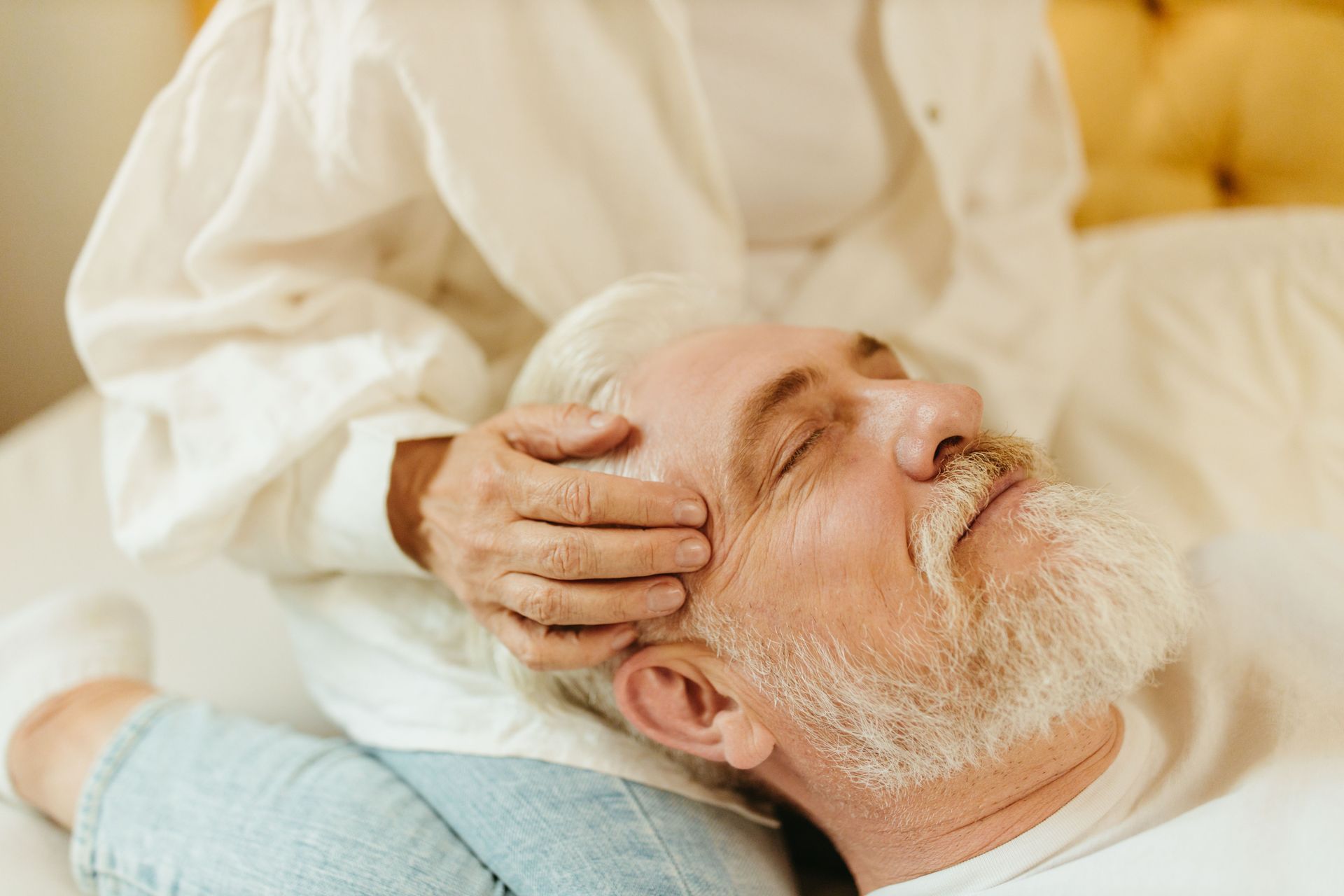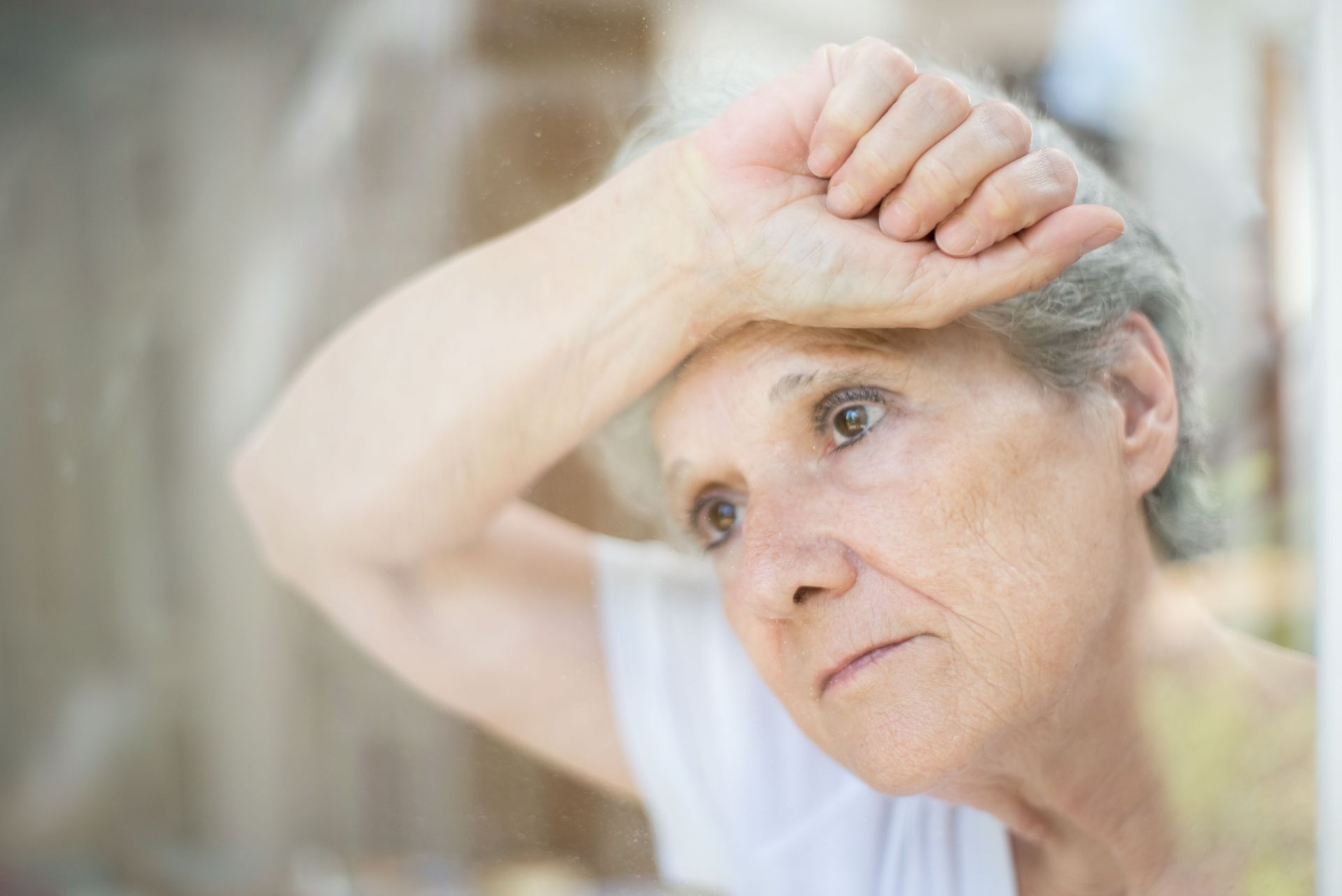
Elderly care continues to evolve as communities adapt to the growing needs of aging populations. Older adults are living longer, yet many face complex health, mobility, and cognitive challenges that require specialized attention. High-quality care solutions help maintain independence, enhance safety, and improve overall quality of life for seniors across Maryland.
Key areas of elderly care include support with activities of daily living, medical monitoring, medication management, cognitive health interventions, mobility assistance, and emotional support. Many older adults navigate chronic conditions such as diabetes, cardiovascular disease, respiratory illness, and neurocognitive disorders. As needs become more complex, caregivers play a vital role in providing consistent and compassionate assistance.
A significant challenge within aging communities is caregiver fatigue.
Family members often take on caregiving responsibilities without formal training or professional support. This dynamic can lead to stress, burnout, and gaps in care continuity, particularly when managing behavior changes associated with dementia or developmental disabilities.
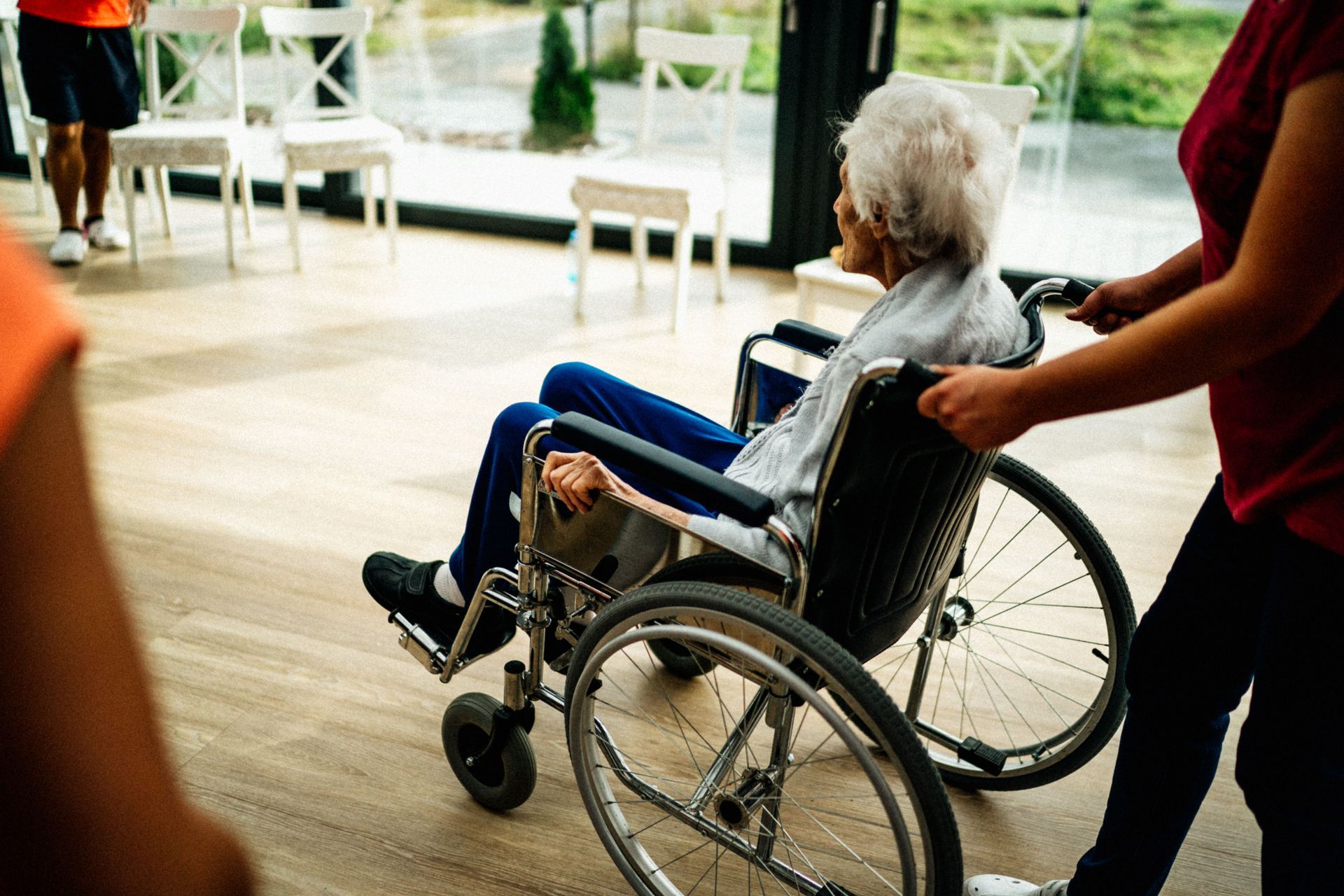
Community-based care services have become increasingly important in addressing these challenges. Professional caregivers and health service organizations offer structured, personalized support tailored to each individual’s physical and cognitive needs. This includes providing safe living environments, encouraging social engagement, and ensuring that care plans align with both medical and personal objectives.
Maryland’s aging communities benefit greatly from accessible care programs, specialized in-home services, and community-based facilities that enable seniors to remain connected, supported, and empowered. The growing integration of behavioral health support within elderly care is particularly valuable, recognizing that emotional well-being is just as important as physical health during the aging process.
For families and organizations seeking elderly care support or specialized services in Maryland, contact Global Hands Inc. to learn more about available options.