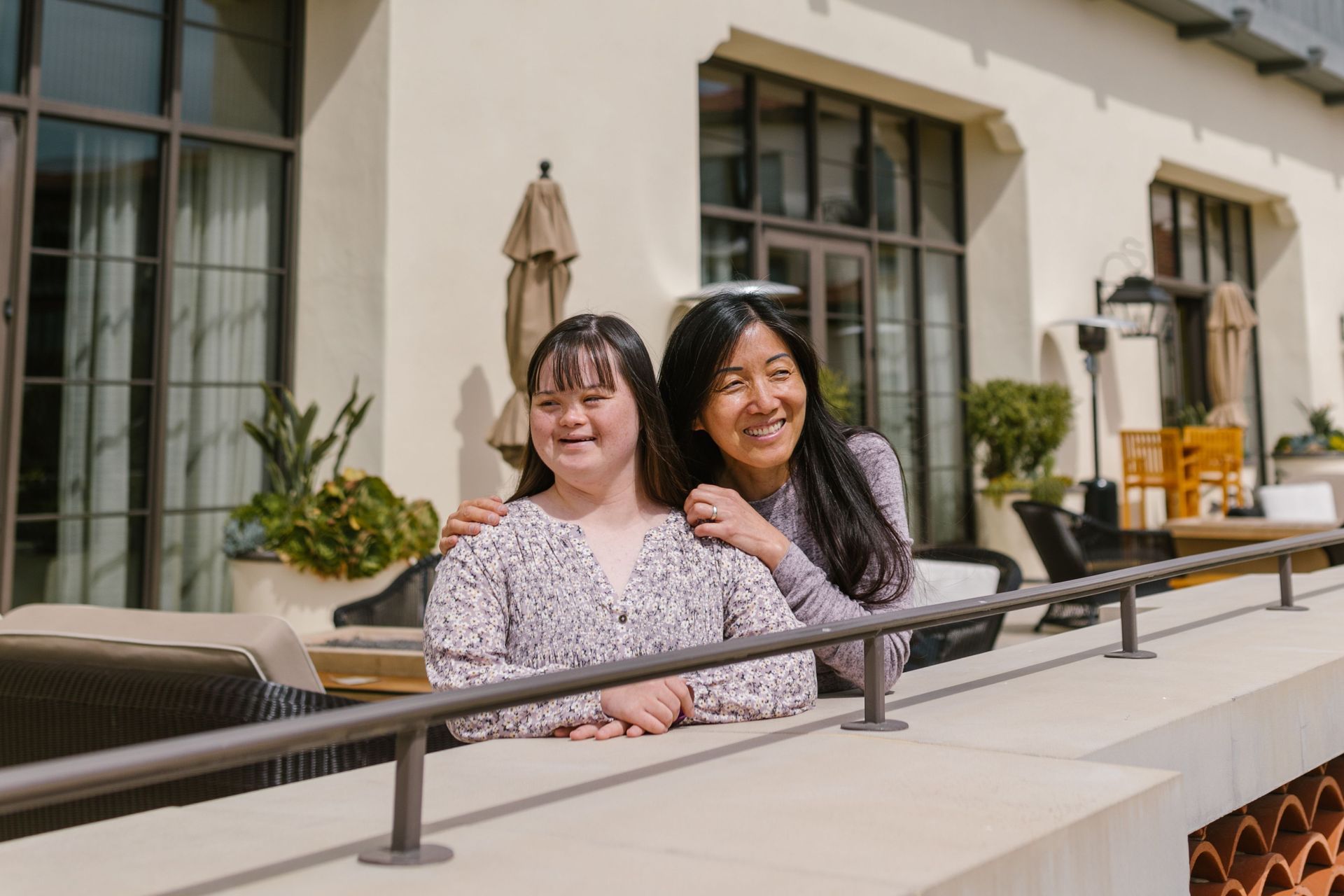
Building a More Inclusive Society for Developmental Disabilities

Despite increasing awareness about developmental disabilities, stigma and misconceptions continue to affect millions of individuals and their families across the United States. These negative attitudes often lead to discrimination, social isolation, and reduced opportunities for people who deserve the same respect, dignity, and inclusion as everyone else.
Understanding stigma and actively working to eliminate it is an important step toward creating a more compassionate and inclusive society.
What Is Stigma?
Stigma refers to negative stereotypes, prejudices, or discrimination directed toward individuals based on certain characteristics. For people with developmental disabilities, stigma often appears in the form of harmful assumptions about their abilities, intelligence, independence, or potential.
Developmental disabilities include conditions such as autism spectrum disorder, cerebral palsy, Down syndrome, intellectual disabilities, and other developmental delays that typically begin during childhood and affect physical, learning, language, or behavioral areas. Unfortunately, stigma can prevent individuals from being fully accepted within schools, workplaces, and communities.
How Stigma Impacts Individuals and Families
The effects of stigma can be profound and long-lasting. Many individuals with developmental disabilities experience social exclusion because others may underestimate their capabilities or feel uncomfortable interacting with them. This can limit opportunities for education, employment, and meaningful relationships.
Families may also face emotional challenges when navigating judgment, misunderstanding, or lack of support from society. Parents and caregivers sometimes feel pressure to advocate constantly for their loved ones simply to ensure fair treatment.
In addition, stigma can discourage individuals from seeking important services or community support, which are essential for personal growth and independence.
Challenging Common Misconceptions
One of the most effective ways to combat stigma is through education and awareness. People with developmental disabilities have diverse talents, strengths, and personalities. Many live independent lives, pursue education, maintain careers, and contribute significantly to their communities. It is important to recognize that a disability does not define a person’s value or potential. By shifting the focus from limitations to abilities, communities can foster greater understanding and respect.
The Role of Communities in Promoting Inclusion
Communities play a critical role in reducing stigma and creating environments where everyone can thrive. Inclusive communities encourage equal participation in schools, workplaces, recreational activities, and social events. They prioritize accessibility, understanding, and supportive services that empower individuals to reach their goals.
Simple actions can make a meaningful difference:
- Learning about developmental disabilities
- Treating individuals with respect and dignity
- Encouraging inclusive education and employment opportunities
- Challenging stereotypes and misinformation
- Supporting families and caregivers
When communities take these steps, they help build a culture of acceptance and belonging.
Why Awareness Matters
Raising awareness about developmental disabilities helps shift public perception from misunderstanding to empathy. Conversations about inclusion, equity, and accessibility are essential in breaking down the barriers created by stigma.
Every individual deserves the opportunity to live with dignity, pursue their ambitions, and be recognized for their unique contributions.
By continuing to educate ourselves and support inclusive initiatives, we can create a future where stigma is replaced with understanding and acceptance.
Learn more about developmental disability support services and inclusive community programs by visiting www.globalhandsinc.com