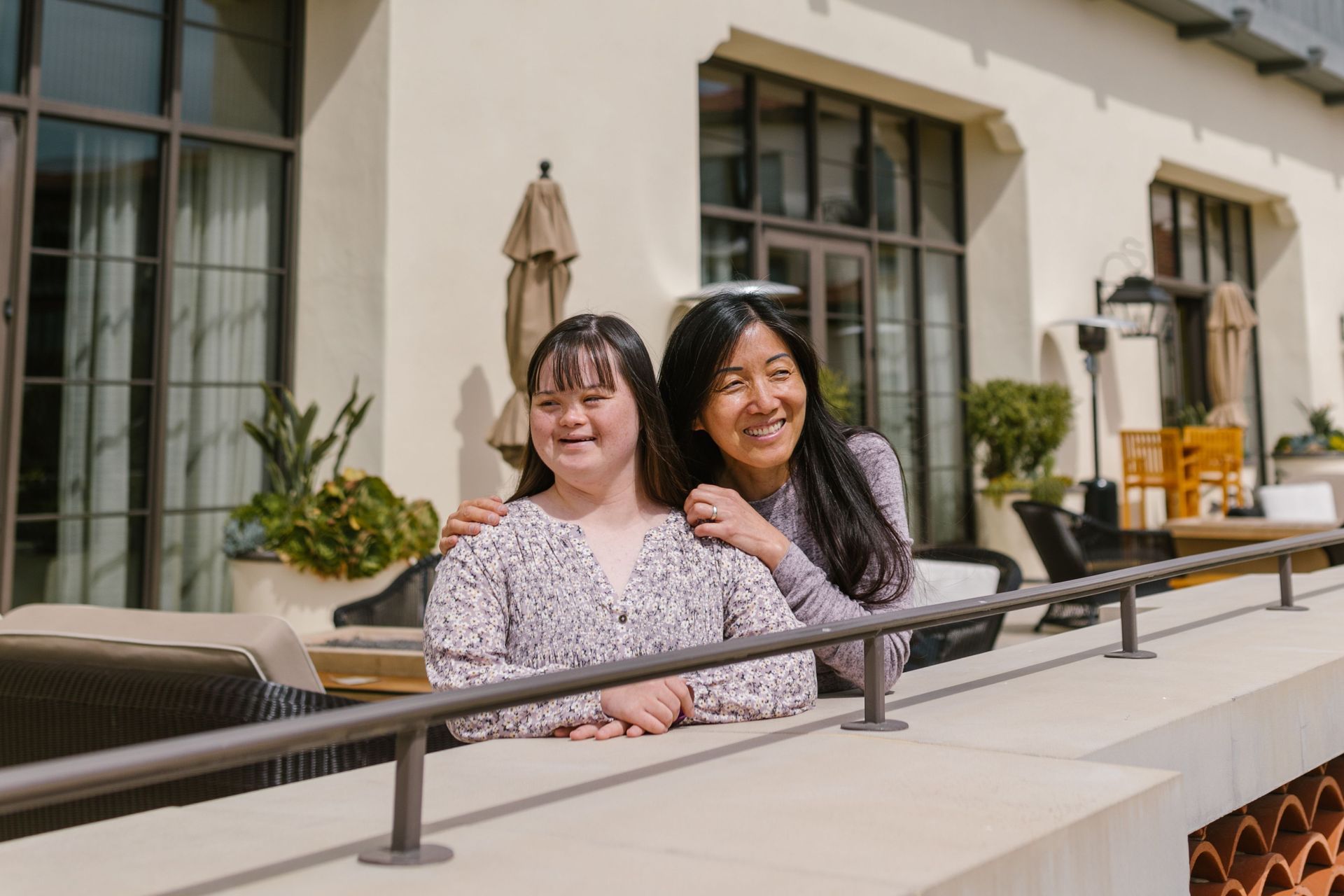
After a busy week filled with work, school, appointments, caregiving responsibilities, and daily commitments, the weekend offers an important opportunity to pause, recharge, and focus on overall well-being. While many people think of weekends as a time to complete household chores or catch up on unfinished tasks, setting aside time for relaxation is equally important for maintaining good mental health.
For individuals living with mental health conditions, developmental disabilities, and the families who support them, intentional rest is not simply a luxury. It is an essential part of maintaining emotional balance, reducing stress, and improving overall quality of life.
The Importance of Taking a Break
The human mind and body need regular periods of rest to recover from the demands of everyday life. Without opportunities to recharge, stress can accumulate over time, leading to fatigue, anxiety, irritability, and difficulty concentrating.
Relaxation allows the brain to reset, improves emotional regulation, and helps individuals approach the coming week with renewed energy and confidence.
Benefits of Weekend Relaxation
Making time to relax during the weekend can provide many physical, emotional, and social benefits, including:
- Reducing stress and anxiety
- Improving mood and emotional resilience
- Promoting better sleep
- Supporting healthy relationships
- Increasing productivity during the following week
- Improving focus and decision-making
- Encouraging positive social interactions
These benefits apply to everyone, including caregivers, who often spend much of their time supporting the needs of others.
Relaxation Looks Different for Everyone
There is no single definition of relaxation. For some people, it may involve reading a book or listening to music. Others may enjoy spending time outdoors, attending community events, gardening, exercising, or simply enjoying meaningful conversations with family and friends.
For individuals with developmental disabilities, maintaining familiar routines while incorporating enjoyable activities can help reduce anxiety and create positive experiences.
Supporting Caregivers
Caregivers often place the needs of others before their own. However, neglecting personal well-being can eventually lead to caregiver burnout.
Taking time to rest, seek support, and enjoy personal interests helps caregivers remain physically and emotionally healthy while continuing to provide compassionate care.
Small Moments Matter
Relaxation does not require expensive holidays or elaborate plans. Small moments throughout the weekend can make a significant difference.
Consider:
- Taking a walk in the park
- Enjoying a favourite hobby
- Practising mindfulness or deep breathing
- Sharing a meal with loved ones
- Limiting screen time
- Spending time in nature
- Getting adequate sleep
These simple activities help restore energy and promote emotional wellness.
Looking Ahead
As another week comes to an end, remember that caring for your mental health is an ongoing journey. Giving yourself permission to slow down, rest, and reconnect with family and friends is one of the best investments you can make in your overall well-being.
A relaxing weekend today can help create a healthier, happier, and more productive week ahead.
Looking for compassionate mental health and developmental disabilities support in Maryland? Visit www.globalhandsinc.com to learn more about our services and how we help individuals and families thrive.