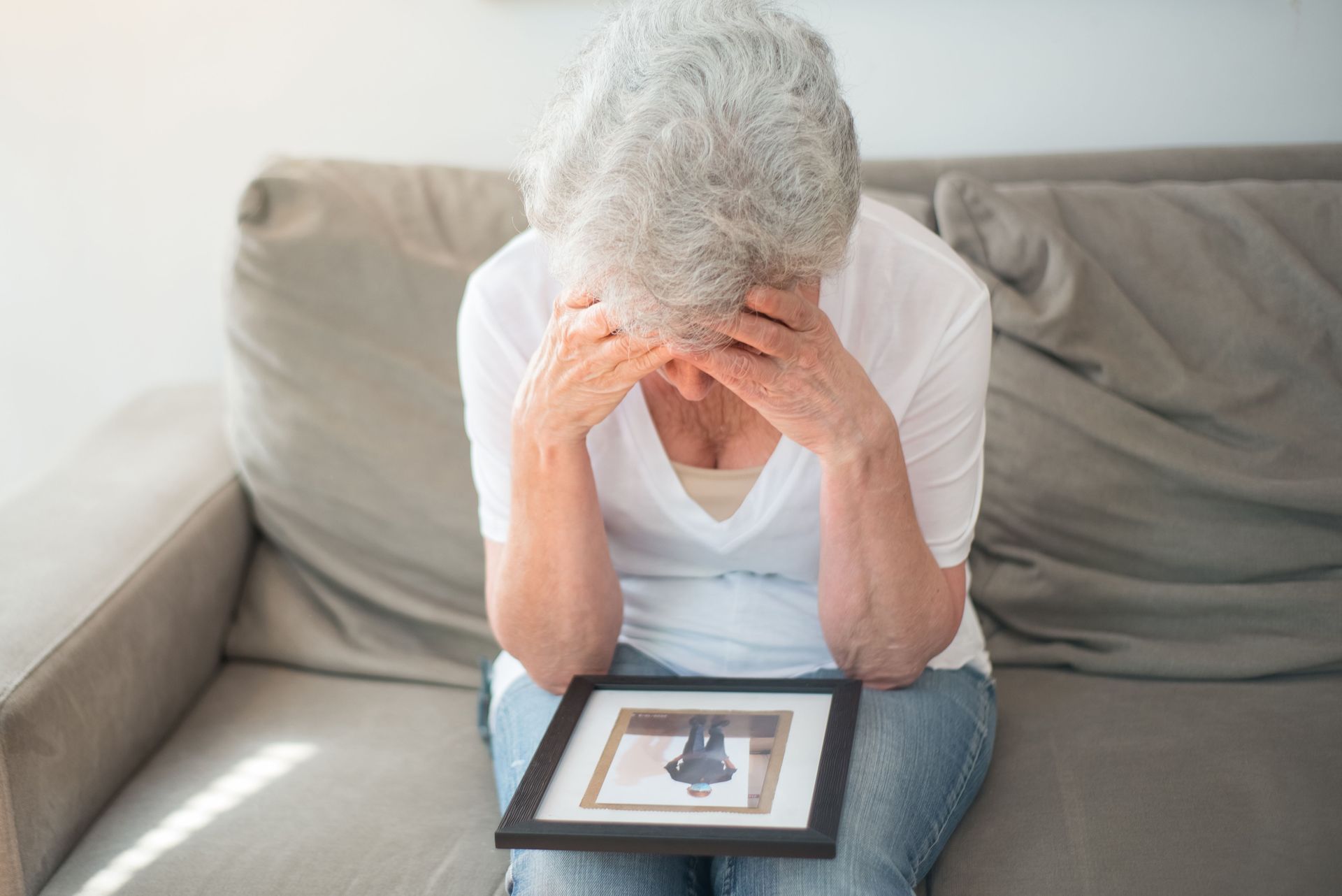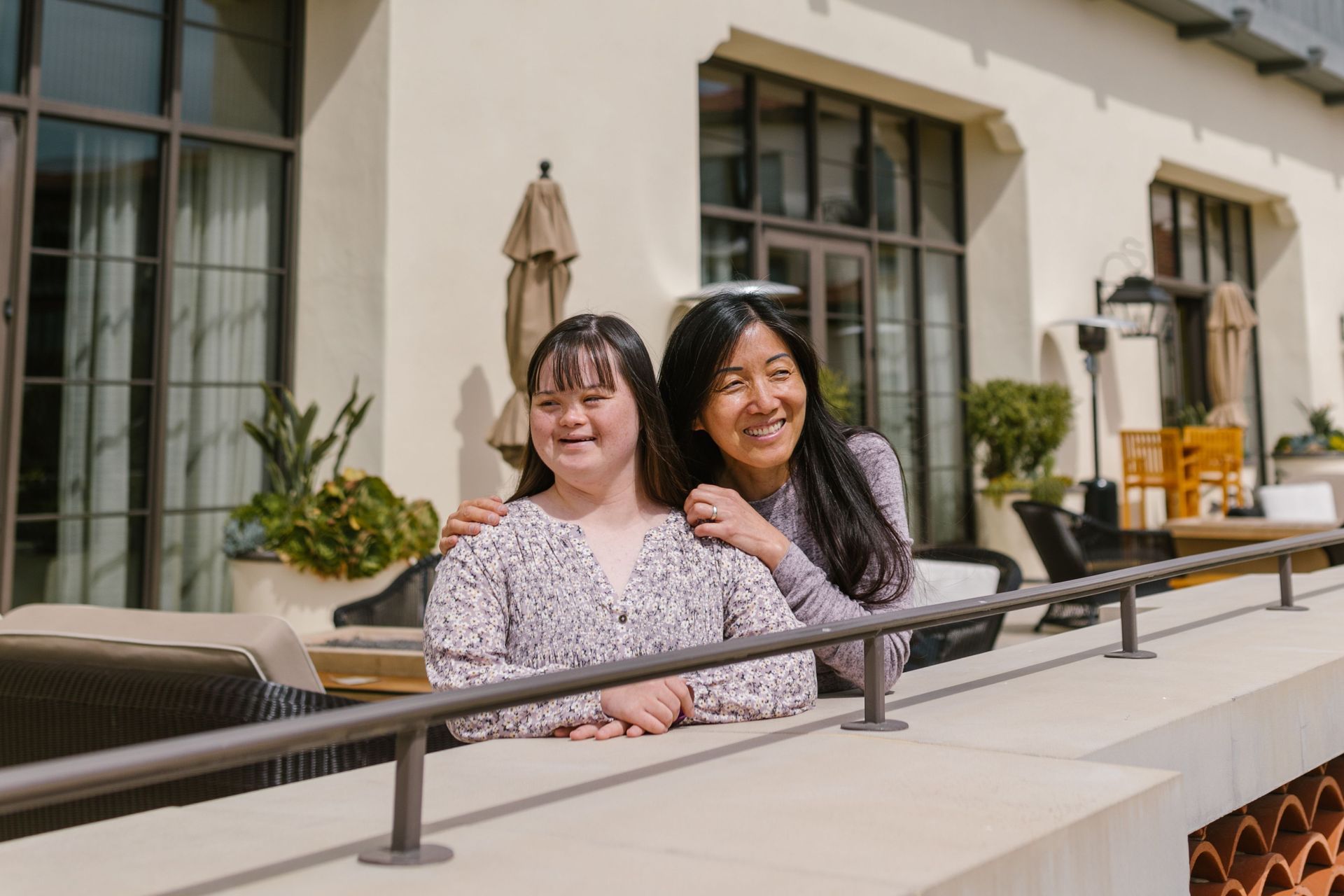
Every March 18th, National Supreme Sacrifice Day reminds us of the selfless individuals who dedicate their lives to the well-being of others. While the day often commemorates those who have made the ultimate sacrifice in service to their country, it is also an opportunity to reflect on the everyday heroes in our communities—especially caregivers, healthcare professionals, and family members who provide unwavering support to individuals with mental health challenges and developmental disabilities.
The Sacrifices of Caregiving
Caring for someone with special needs requires more than time and effort—it demands patience, emotional resilience, and deep compassion. Whether it’s a parent advocating for their child’s rights, a sibling ensuring their loved one receives proper care, or a professional supporting individuals in their daily activities, these acts of love and commitment often go unnoticed.
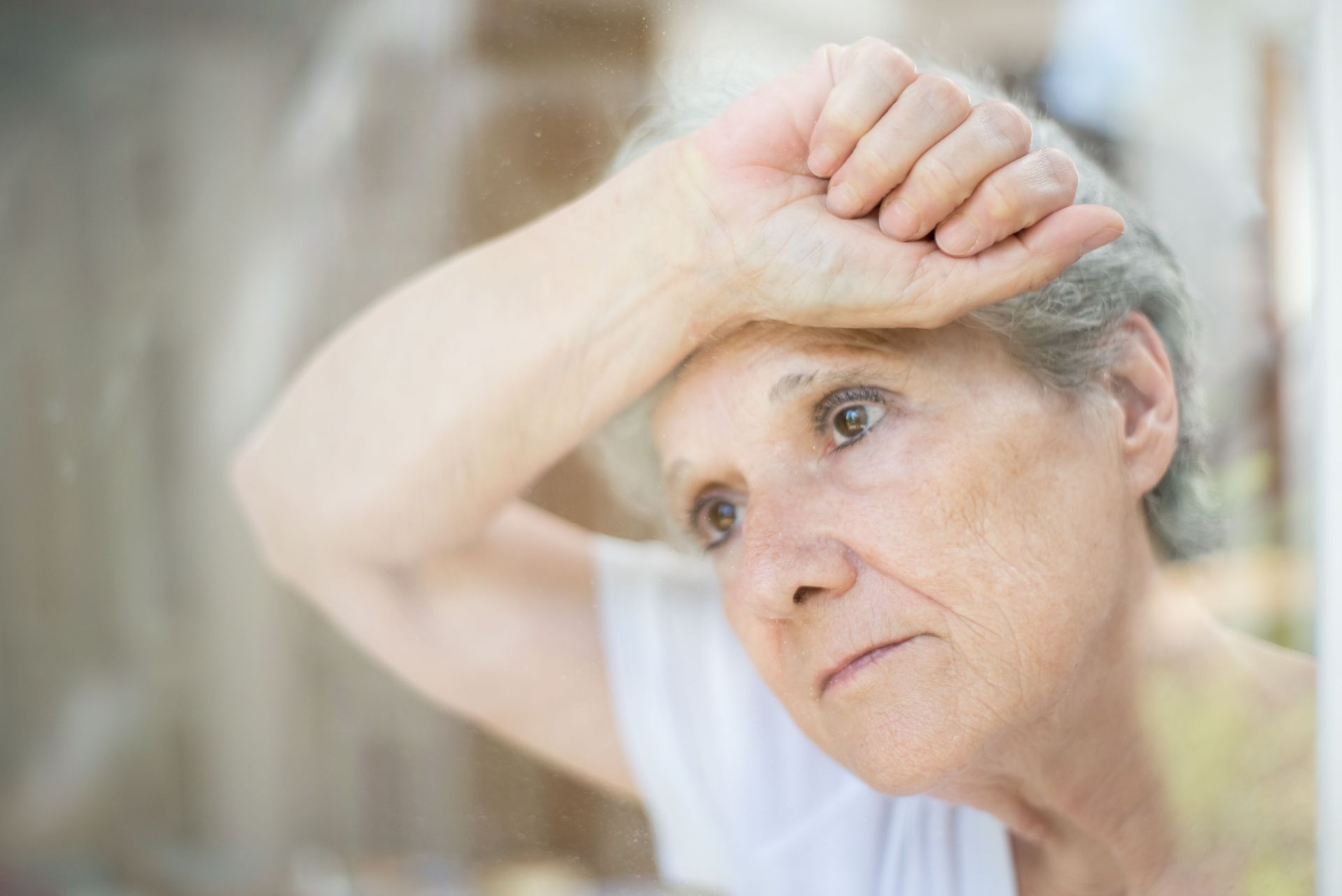
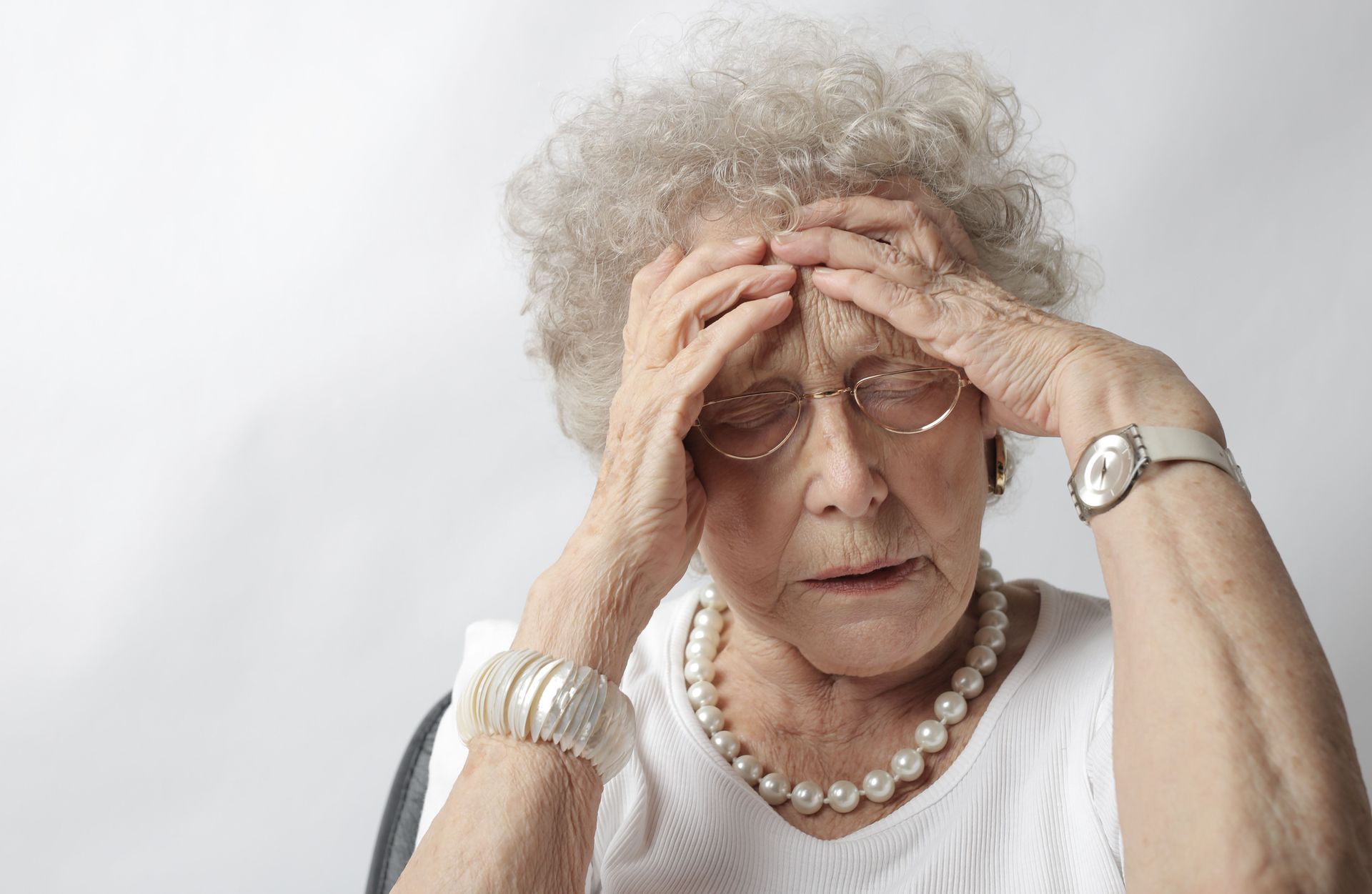
Caregivers sacrifice personal time, financial stability, and even their own well-being to ensure that those they support receive the best quality of life. Many experience stress, burnout, and emotional fatigue, yet they continue their work with dedication. Their sacrifice may not always be recognized, but its impact is immeasurable.
How We Can Support and Acknowledge Their Sacrifice
Recognizing these caregivers means taking steps to support their well-being. Here are some meaningful ways to do so:
✅
Offer Emotional Support – A kind word, a listening ear, or a simple “thank you” can go a long way in validating their efforts.
✅
Encourage Self-Care – Remind caregivers to prioritize their mental and physical health through self-care activities.
✅
Provide Resources – Access to respite care, counseling, and community programs can help lighten their load.
✅
Advocate for Policy Changes – Support initiatives that provide better financial, healthcare, and legal resources for caregivers.
On this day—and every day—let’s take a moment to honor and appreciate those who sacrifice so much to care for individuals with disabilities and mental health challenges. Their work is invaluable, and they deserve recognition and support.
🔹 Need guidance or support for a loved one? Learn more about available care services at www.globalhandsinc.com