A Holistic Approach to Well-Being and Community Inclusion.
Men's health extends beyond physical wellness. It encompasses mental health, emotional well-being, social connections, and access to services that promote independence and quality of life. For men living with developmental disabilities, these factors are closely interconnected, making comprehensive support systems essential for long-term success.
As awareness grows around both men's health and developmental disabilities, there is increasing recognition that holistic, person-centered care can significantly improve outcomes and overall well-being.
Understanding the Unique Needs of Men with Developmental Disabilities
Developmental disabilities affect individuals differently, and support needs vary from person to person. Men living with developmental disabilities may face additional challenges when accessing healthcare services, communicating health concerns, understanding medical information, or advocating for their own needs.
These barriers can sometimes lead to delayed diagnosis, unmet healthcare needs, and reduced access to preventive care services.
Creating inclusive healthcare environments and support systems helps ensure that individuals receive the care, information, and resources they need to maintain healthy and fulfilling lives.
The Link Between Physical and Mental Health
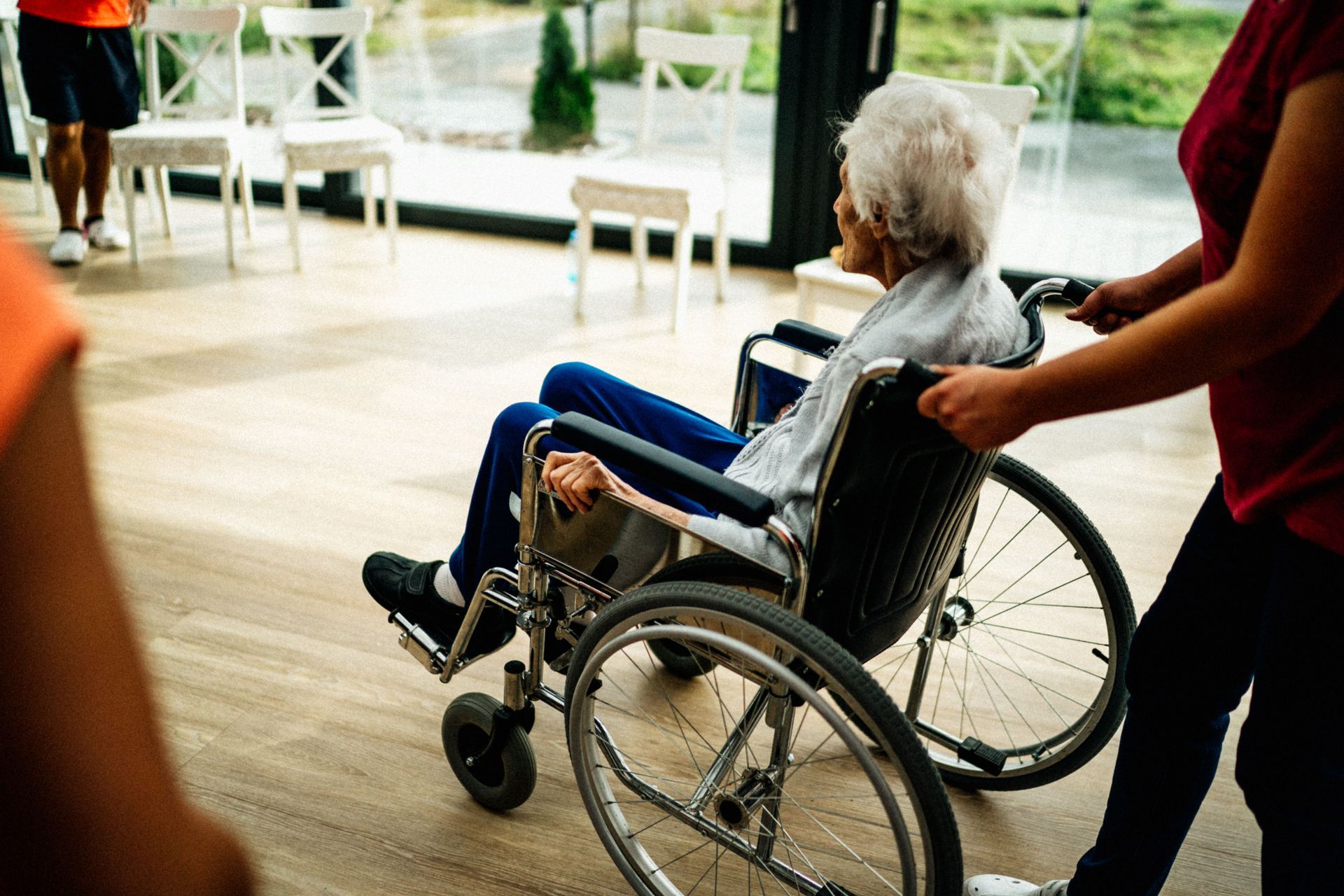
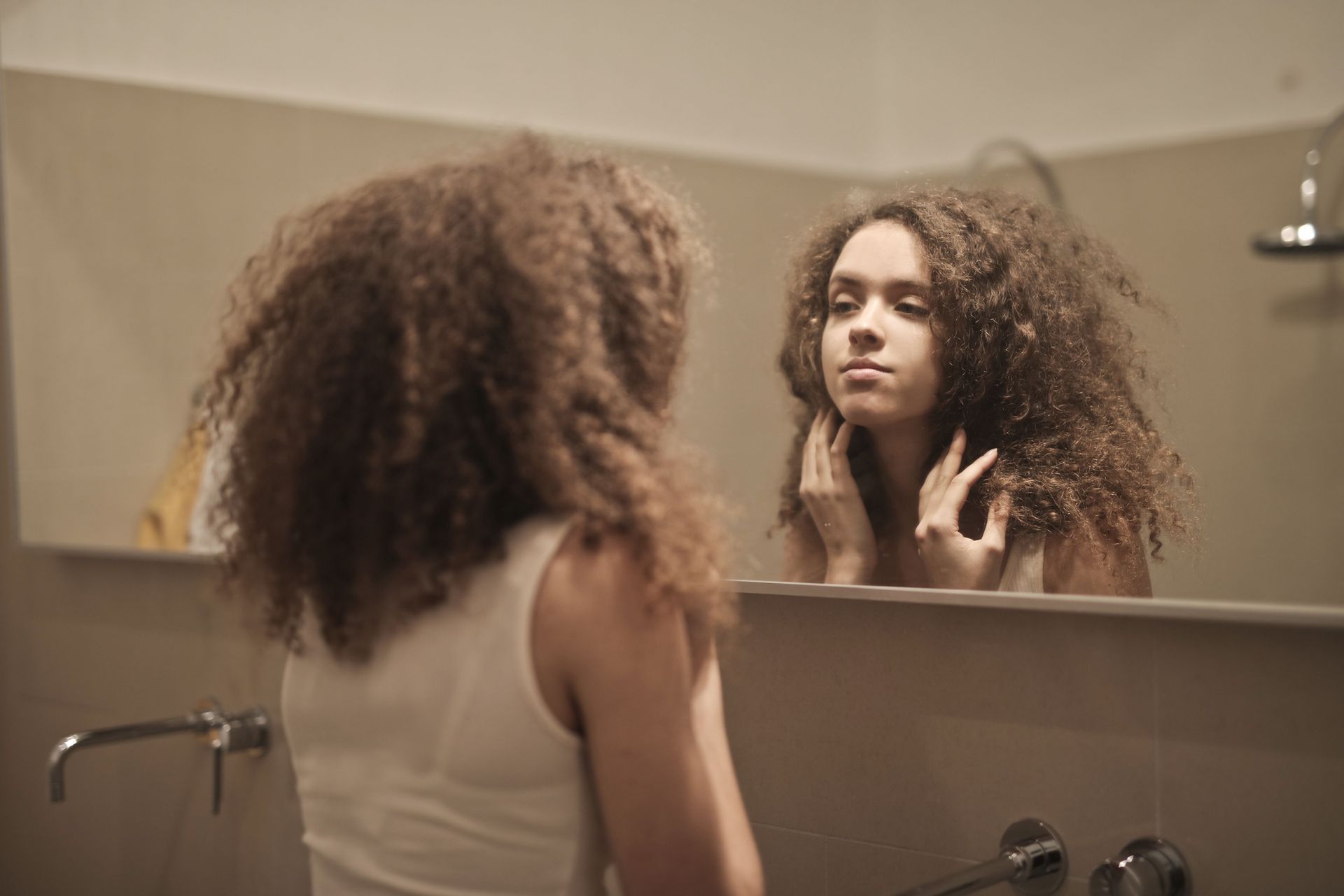
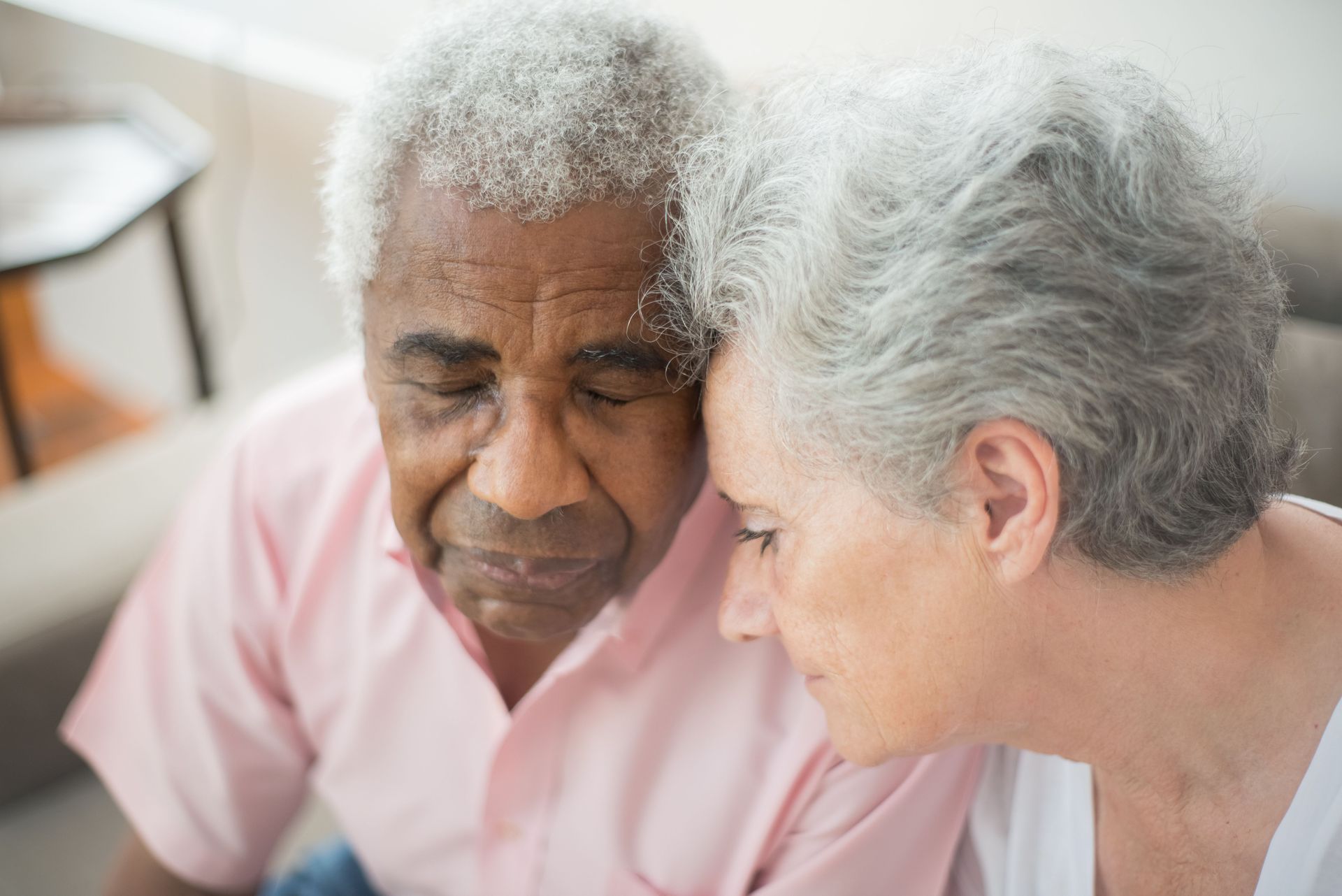
Physical health and mental health are deeply connected. Chronic health conditions, mobility limitations, social isolation, and communication barriers can all influence emotional well-being.
Similarly, untreated anxiety, depression, or stress can affect physical health outcomes by impacting sleep, nutrition, exercise, and overall daily functioning.
For men with developmental disabilities, coordinated support that addresses both physical and mental health needs can lead to improved independence, confidence, and community participation.
The Importance of Person-Centered Support
Person-centered support places the individual's goals, preferences, strengths, and needs at the center of care planning.
This approach may include:
- Supporting healthcare appointments
- Encouraging healthy lifestyle choices
- Promoting community engagement
- Building social connections
- Developing independent living skills
- Supporting emotional wellness
- Advocating for healthcare access
When support services focus on the whole person, individuals are better positioned to achieve meaningful outcomes and enjoy greater quality of life.
Encouraging Preventive Care
Preventive healthcare plays a vital role in maintaining wellness. Regular medical checkups, screenings, physical activity, healthy nutrition, and mental health support can help identify concerns early and reduce long-term health risks.
Families, caregivers, and support professionals can help by promoting healthy routines and ensuring individuals have access to appropriate healthcare services.
Building Stronger Communities
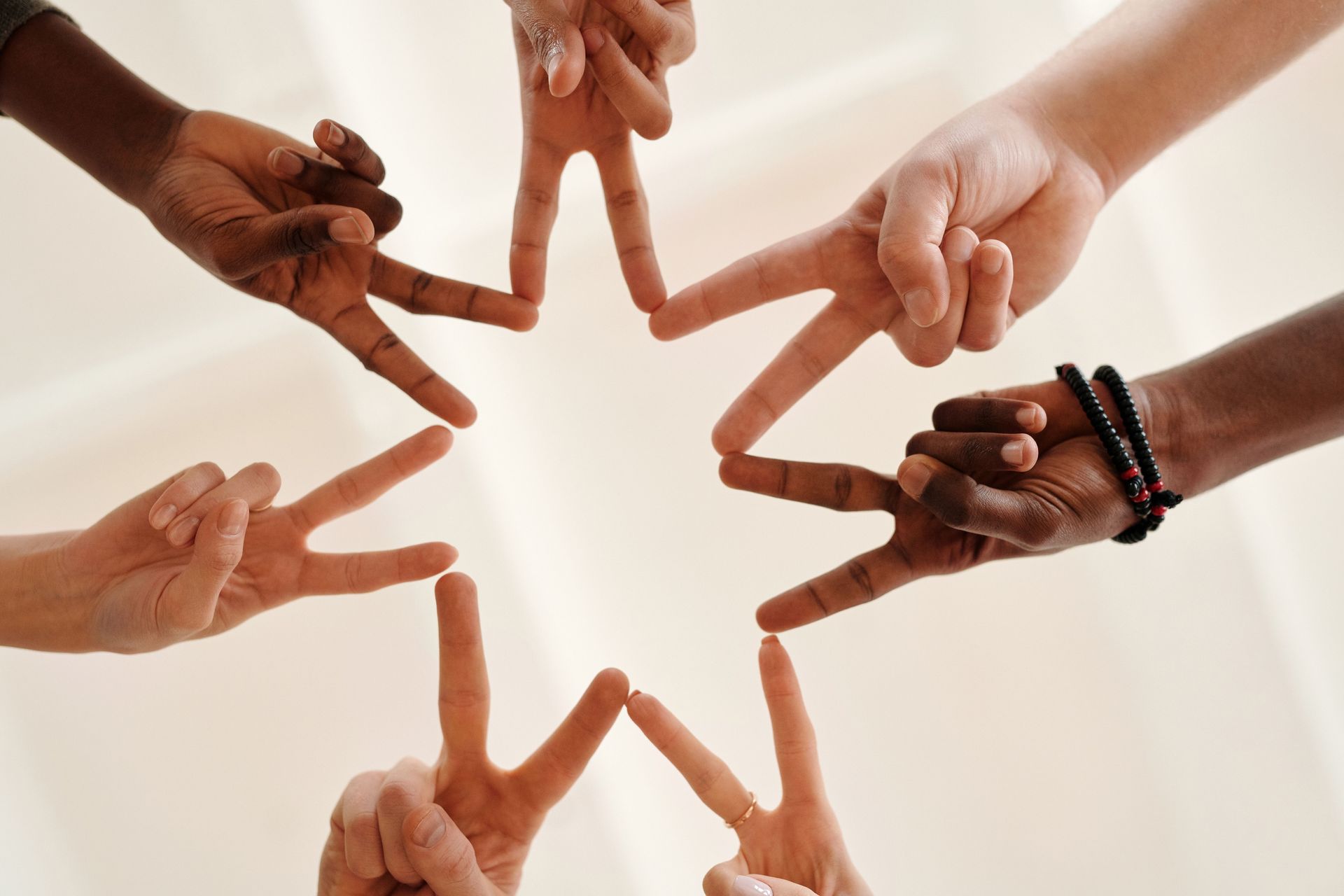
Inclusive communities benefit everyone. By increasing awareness, improving accessibility, and promoting understanding, communities can help ensure that men with developmental disabilities have opportunities to thrive.
Supportive environments encourage participation, independence, self-advocacy, and meaningful social connections.
Looking Ahead
Connecting men's health and developmental disabilities support requires a collaborative approach that recognizes the unique strengths and needs of every individual.
By focusing on holistic care, early intervention, preventive health practices, and community inclusion, we can help create better outcomes and improve quality of life for men living with developmental disabilities.
Learn more about comprehensive developmental disabilities and mental health support services by visiting www.globalhandsinc.com.