Christmas, Inclusion, and the Power of Compassionate Care

Christmas is a season defined by inclusion, dignity, and human connection. For individuals living with developmental disabilities, supportive care services are essential in ensuring that the festive season is safe, meaningful, and empowering.


Developmental disabilities affect how individuals learn, communicate, and navigate daily life. Person-centred care focuses on recognising each individual’s abilities, preferences, and goals. During Christmas, maintaining routines while incorporating festive activities helps individuals feel secure and engaged.


Care providers play a vital role in supporting families. For many caregivers, the holiday season brings additional responsibilities and emotional strain. Professional support services offer reassurance, allowing families to celebrate while knowing their loved ones are receiving compassionate, skilled care.


Inclusion is more than participation; it is belonging. Christmas activities that are thoughtfully adapted — sensory-friendly events, flexible schedules, and supportive environments — enable individuals with developmental disabilities to experience joy without distress.


Residential and community-based care services ensure continuity during the holidays. Trained professionals provide assistance with daily living, medication management, and emotional support, promoting independence while safeguarding wellbeing.


Christmas also serves as a reminder of shared humanity. Compassionate care reflects values of respect, patience, and empathy. When individuals with developmental disabilities are supported holistically, communities become stronger and more inclusive.


As the year ends, Christmas invites reflection on how care systems can continue to evolve. Investing in high-quality, person-centred support is not only a professional responsibility but a moral one. This season, compassionate care stands as a powerful expression of love in action.


Merry Christmas from Global Hands Inc.
Gifts arranged on a wooden floor
By Global Hands Inc. December 26, 2025
Explore the importance of Boxing Day for mental health and developmental disability care, emphasizing continued support for individuals and families in Maryland.
Festive town center at night, featuring strings of holiday lights and large Christmas decorations.
By Global Hands Inc. December 19, 2025
Prepare for the festive season with supportive strategies for mental health and developmental disabilities. Explore inclusive holiday planning in Maryland.
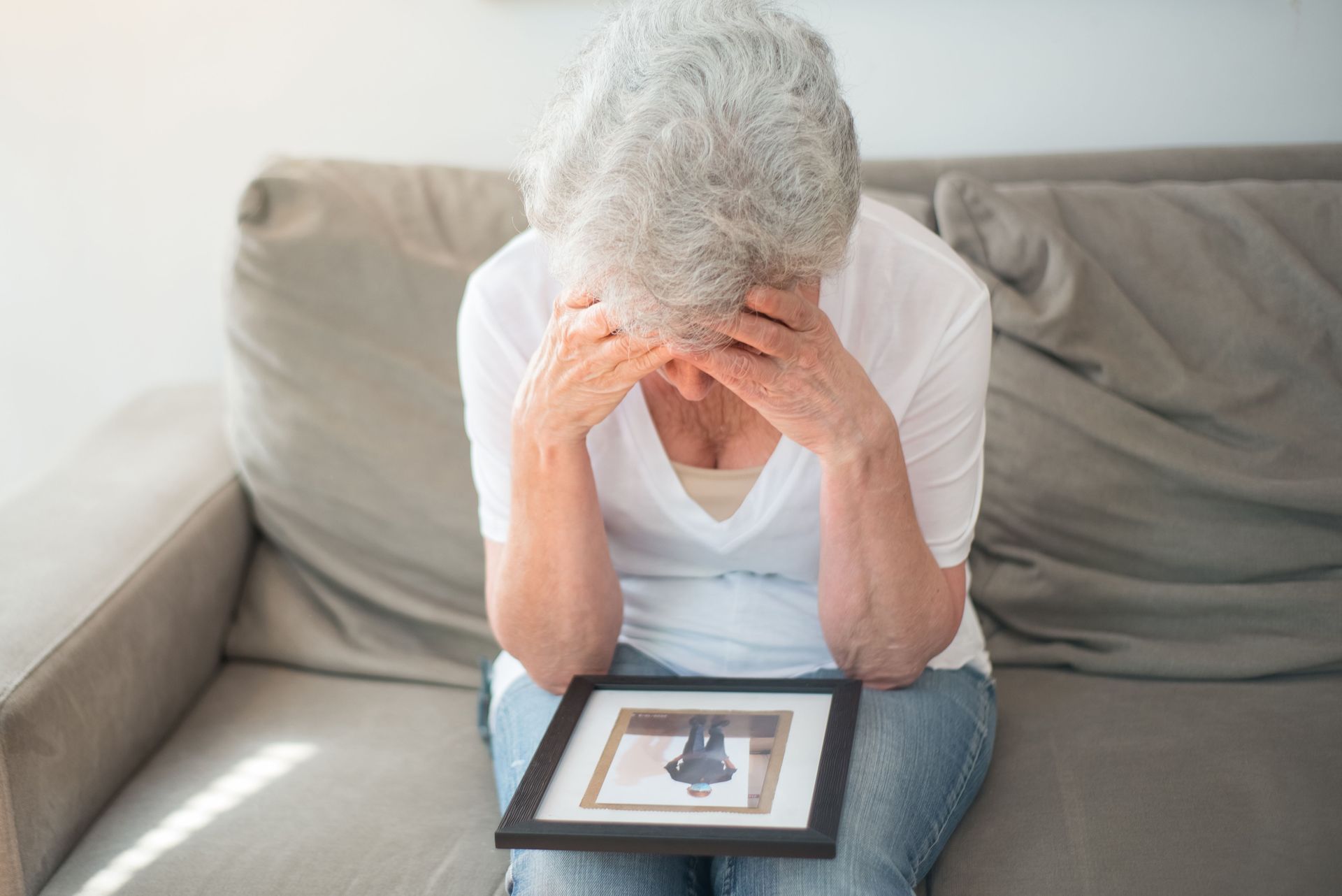
A woman sits on a couch, rubbing her palms against her forehead, clearly stressed or overwhelmed.
By Global Hands Inc. December 16, 2025
Learn essential winter care strategies to support mental health and developmental disabilities. Discover tips on routines, safety, nutrition, and emotional wellness.
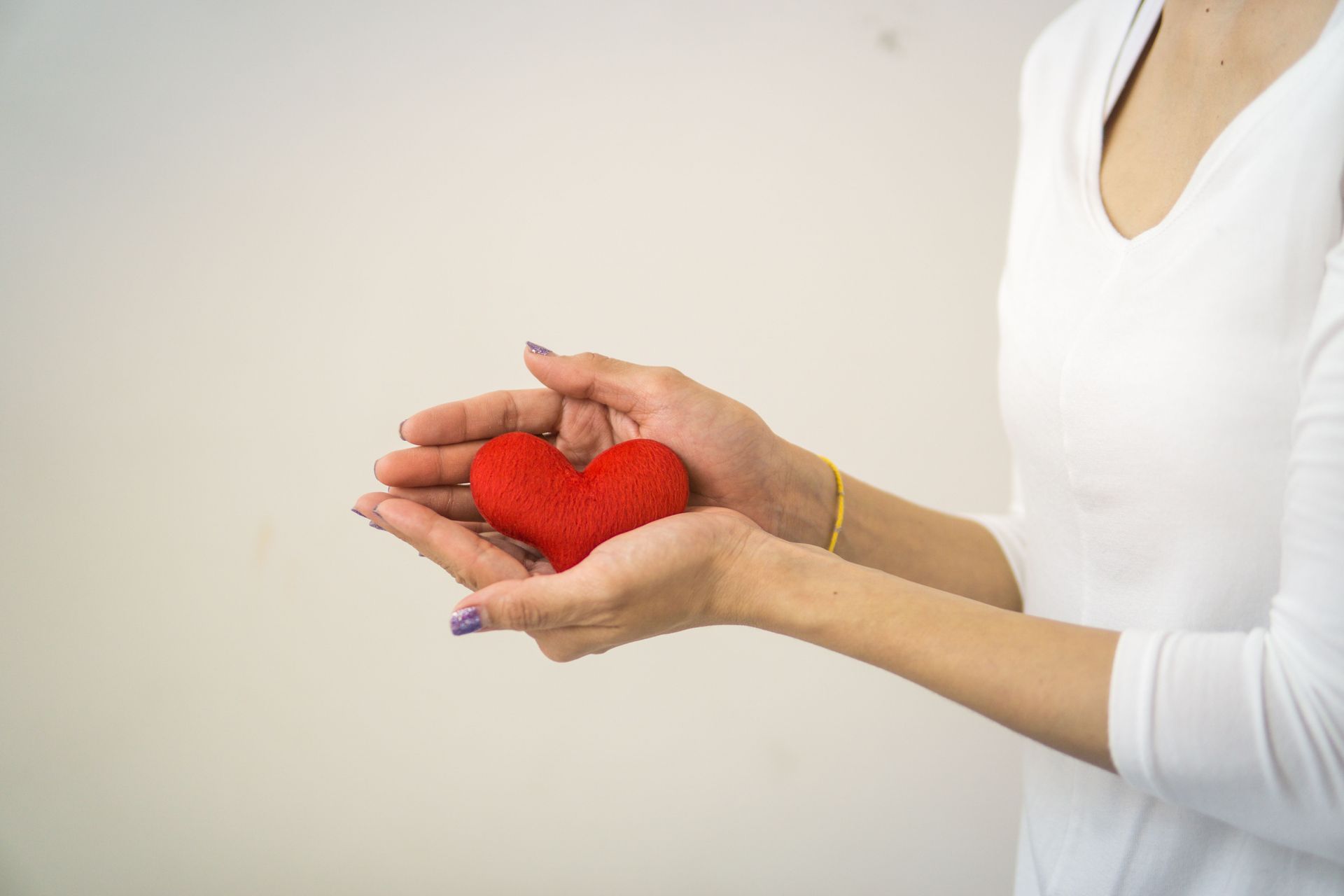
Open palms with a red love heart resting in them.
By Global Hands Inc. December 12, 2025
Gain confidence and independence with person-centered developmental disability support. We focus on communication, daily living skills, and community inclusion.
Heavy snow falls onto a quiet, tree-lined road illuminated by the soft glow of lights
By Global Hands Inc. December 9, 2025
Cold nights increase stress & isolation. Create a warm, calming environment, and implement routines for mental health and developmental disabilities this winter.
Smiling woman wearing warm clothing while standing in snow, expressing warmth and positivity.
By Global Hands Inc. December 3, 2025
Meaningful progress. Celebrate the start of December with a focus on empowerment, stability, & inclusive support for individuals with developmental disabilities.
Sea meeting shoreline at sunset with mountains in background, creating a peaceful & reflective scene
By Global Hands Inc. November 30, 2025
Look back at November’s progress in support, & inclusive care. Explore how collaborative efforts, empowerment, & person-centered approaches help individuals thrive.
By Global Hands Inc. November 27, 2025
While Thanksgiving is often associated with celebration and gratitude, it can also be emotionally complex for many individuals. The holiday may bring social pressure, sensory challenges, or memories that are difficult to navigate. Preparing emotionally can help make the day feel more secure and meaningful. Families can begin with open conversations about expectations. Asking individuals what they feel comfortable with, what worries them, or what traditions they enjoy empowers them to participate in ways that feel safe and supported. Providing sensory-friendly alternatives—such as quiet meals, small gatherings, or virtual check-ins—can transform the holiday into a more accessible experience. Setting a flexible schedule is important. Rather than pushing for perfection, families can embrace a slower pace with room for breaks, calm activities, or adjustments as needed. Emotional check-ins throughout the day can help individuals communicate how they feel and what support they need. Thanksgiving is also an ideal time to practice gratitude in a personalized, accessible way. This might include writing or drawing about positive moments, using communication devices to share thoughts, or simply acknowledging progress made throughout the year. For individuals and families seeking professional assistance during the holiday season, compassionate support is available. Reach out to Global Hands Inc. for guidance and personalized care services. #GratitudeSeason #HolidayCare #PersonCenteredSupport #MentalHealthCare #DevelopmentalDisabilities
By Global Hands Inc. November 25, 2025
As November winds down, many households and caregivers begin preparing for the shift into December—a month filled with emotional, environmental, and routine changes. For individuals living with mental health challenges or developmental disabilities, transitions can feel overwhelming without the right level of preparation and support. December tends to bring schedule adjustments, weather changes, holiday gatherings, and increased sensory input. The earlier families, caregivers, and support teams prepare for these shifts, the smoother the transition can be. Creating a calm plan at the end of November helps individuals maintain stability, independence, and emotional comfort. A helpful first step is reviewing upcoming changes to weekly routines. Visual schedules or digital reminders can reduce anxiety by offering structure. Preparing clothing for colder weather, adjusting sleep routines to shorter daylight hours, and setting expectations for travel or holiday activities all contribute to a more predictable environment. Another key focus is emotional readiness. Many people benefit from dedicated time to express concerns, anticipate stressors, or identify coping tools that work best for them—whether grounding exercises, safe spaces, or communication supports. Caregivers can gently reinforce that changes are normal and that support is available every step of the way. Finally, dedicating time for relaxation and meaningful connection can make the transition feel positive rather than overwhelming. Even small steps—like organizing a favorite activity or simplifying holiday traditions—can help ensure individuals feel valued and included. If your family or care team is looking for professional support during seasonal transitions, compassionate assistance is available. Contact Global Hands Inc. today for guidance, resources, and personalized care solutions. #MentalHealthMatters #DevelopmentalDisabilities #CaregiverSupport #SeasonalTransitions #DecemberPreparation #RoutineStability #MarylandCareServices
By Global Hands Inc. November 19, 2025
International Men’s Day provides an important opportunity to broaden the discussion around men’s wellbeing—particularly mental health, neurodevelopmental challenges, and emotional resilience. Across the United States, men continue to face significant barriers to accessing timely behavioral health support, often due to cultural expectations, stigma, or lack of awareness. For men and boys with developmental disabilities, intellectual disabilities, autism, or behavioral health needs , these challenges can be even more pronounced. 🧠 Understanding Men’s Mental Health Needs Men are statistically less likely to seek mental health treatment, even when experiencing symptoms such as: Persistent stress Anxiety Depression Emotional dysregulation Difficulty with social skills Behavioral concerns Substance use Unaddressed, these issues can escalate, affecting relationships, employment, independence, and quality of life. 👦 Men and Developmental Disabilities Men and boys with developmental disabilities often face: Higher rates of undiagnosed mental health conditions Difficulty expressing emotional needs Social isolation Challenges navigating transitions to adulthood Barriers to employment and community integration Tailored care models—including counseling, skills training, behavioral support, daily living assistance, and community-based care—help individuals build confidence and independence. 💬 Breaking Down Stigma One of the most meaningful ways to support men is by promoting open, stigma-free communication. When mental health and developmental needs are normalized, men are more willing to speak up, seek help, and participate in services that improve their wellbeing. Creating supportive environments requires: Strong family and caregiver involvement Inclusive community programs Access to person-centered care Mental health education in schools and workplaces 🏆 Supporting Men Across All Stages of Life Whether supporting a young man transitioning to adulthood, an adult man navigating independent living, or an older man adjusting to new challenges, individualized support ensures dignity, empowerment, and emotional stability. This day is a reminder to reaffirm our commitment to ensuring that care systems are inclusive, accessible, and responsive to the evolving needs of men. Visit our website to explore comprehensive mental health, behavioral health, and developmental disability support for men and families across the lifespan. #InternationalMensDay #MensMentalHealth #DevelopmentalDisabilities #BehavioralHealth #IndependentLiving #DisabilitySupport #AutismSupport #WellbeingForMen
More Posts