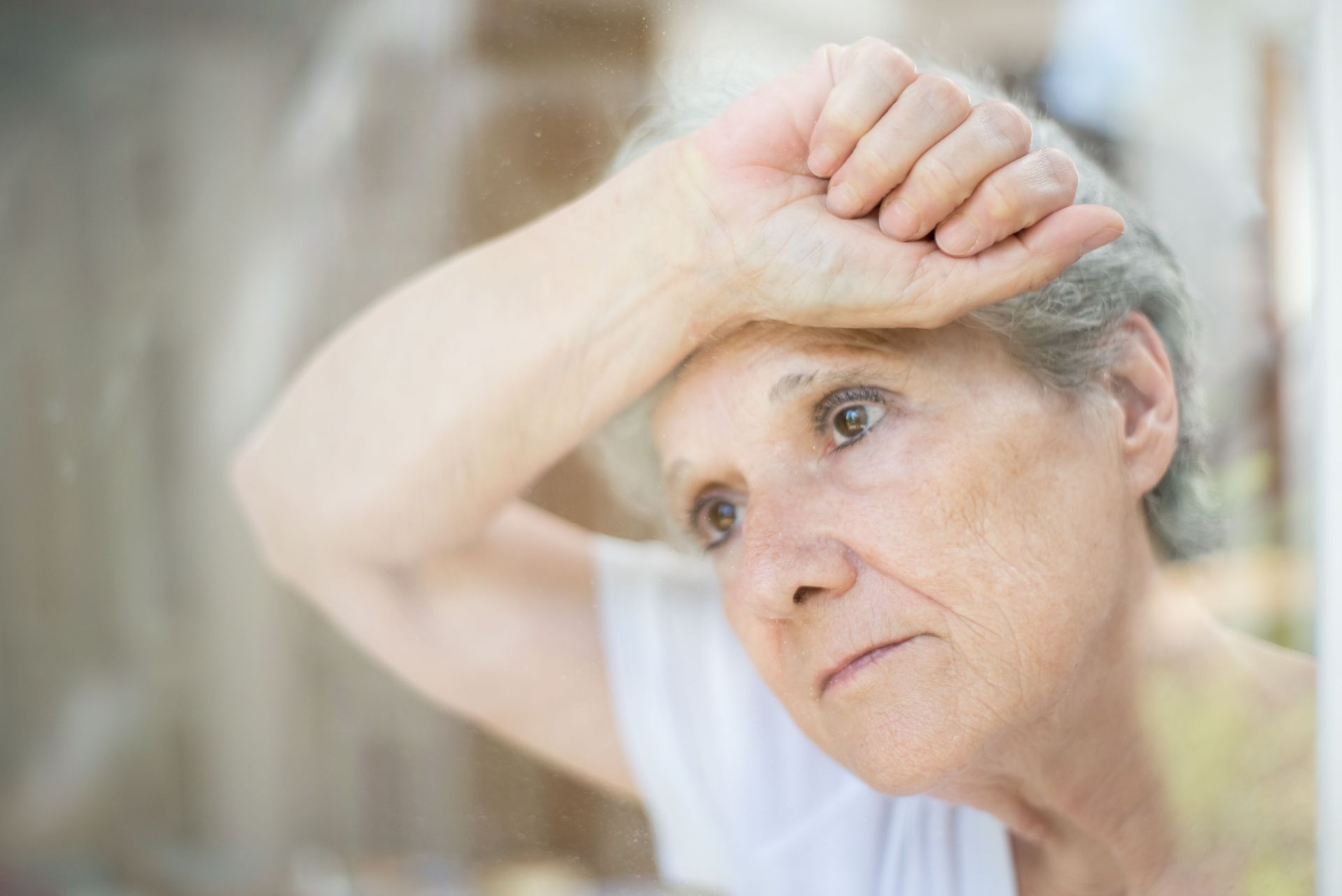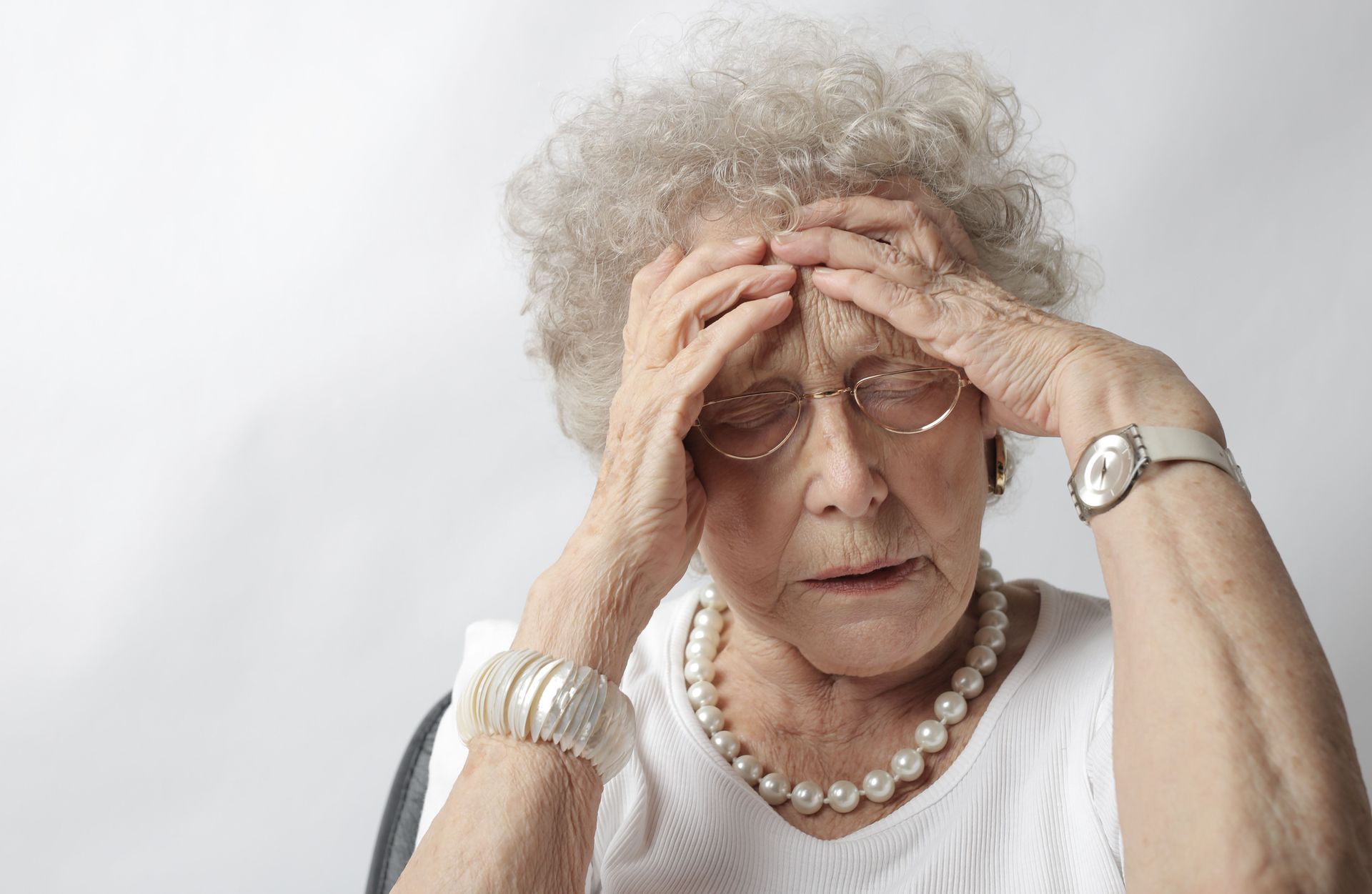
The period following a season of celebrations often brings a noticeable emotional shift. After weeks of heightened social activity, disrupted schedules, and increased sensory stimulation, many individuals—particularly those living with mental health conditions or developmental disabilities—experience fatigue, emotional sensitivity, or difficulty re-establishing structure.
This transition period is a critical time to focus on emotional regulation, routine rebuilding, and intentional self-care. For individuals with developmental disabilities, predictability and consistency play a central role in emotional stability. Sudden changes in sleep patterns, meal schedules, and daily activities can lead to anxiety, irritability, or withdrawal if not addressed proactively.
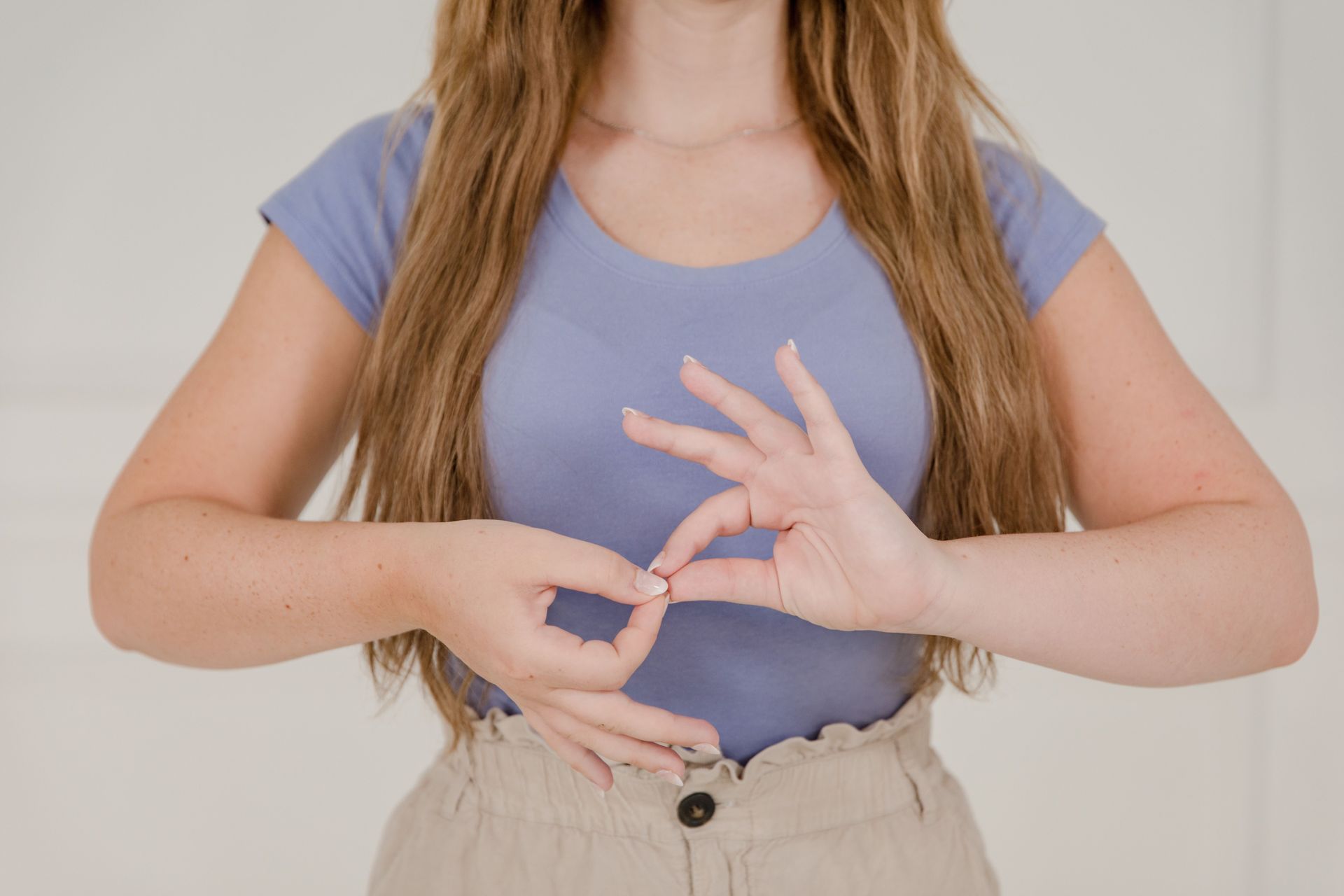
Caregivers and families can support a smoother adjustment by gradually reintroducing structured routines. Simple steps such as consistent wake-up times, regular meals, and designated periods for rest and engagement can significantly improve emotional regulation. Visual schedules, gentle reminders, and calm communication further reinforce a sense of safety and predictability.
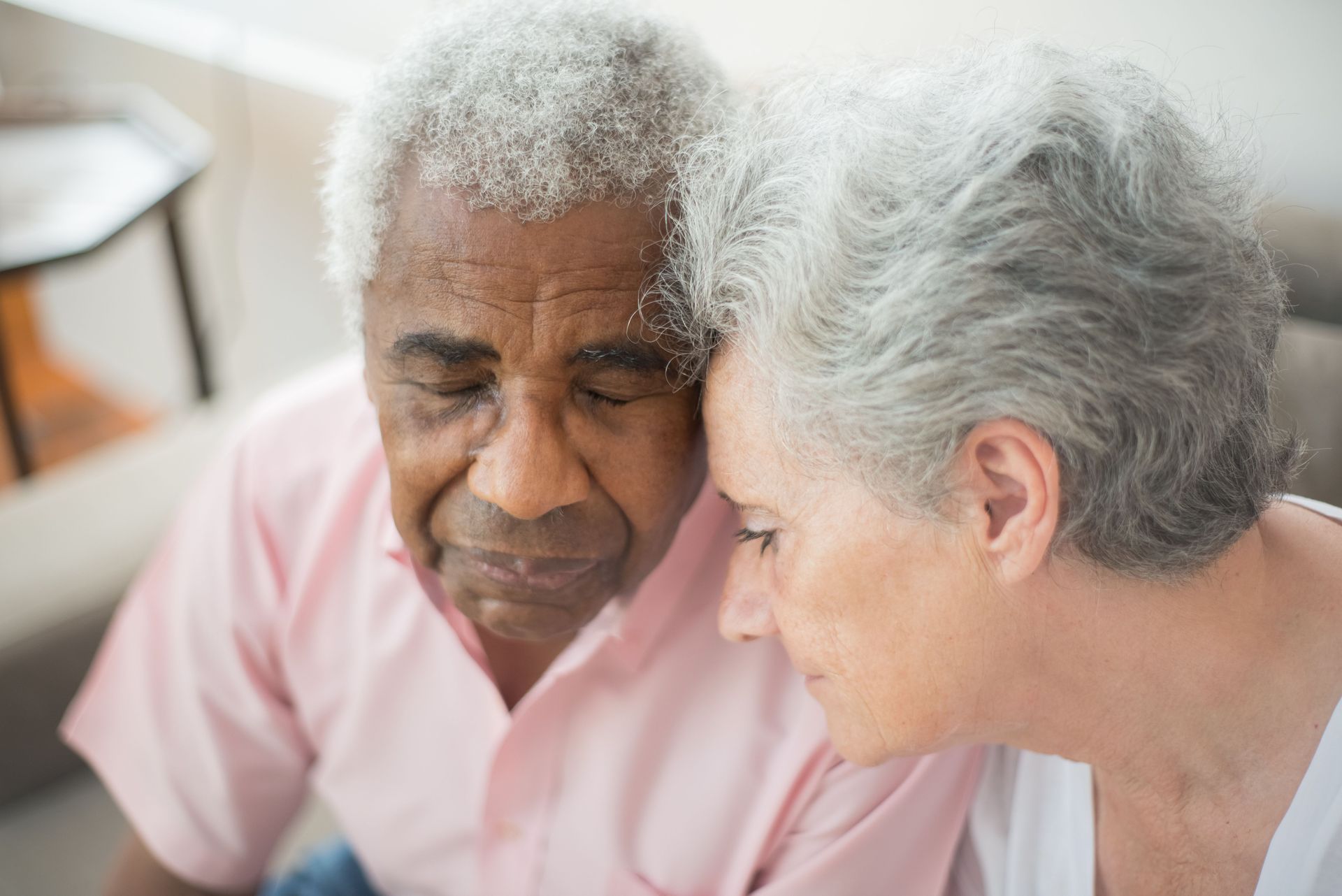
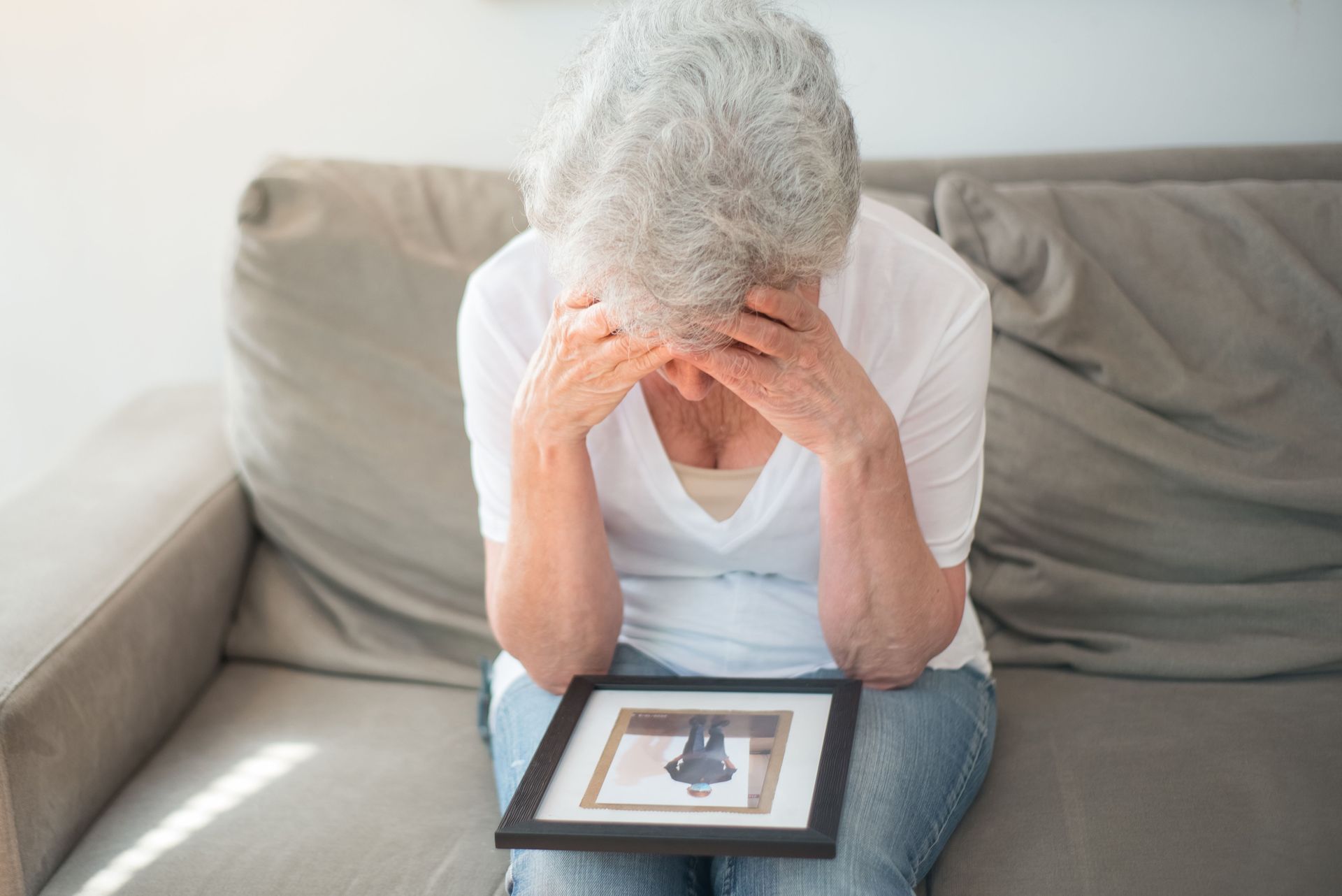
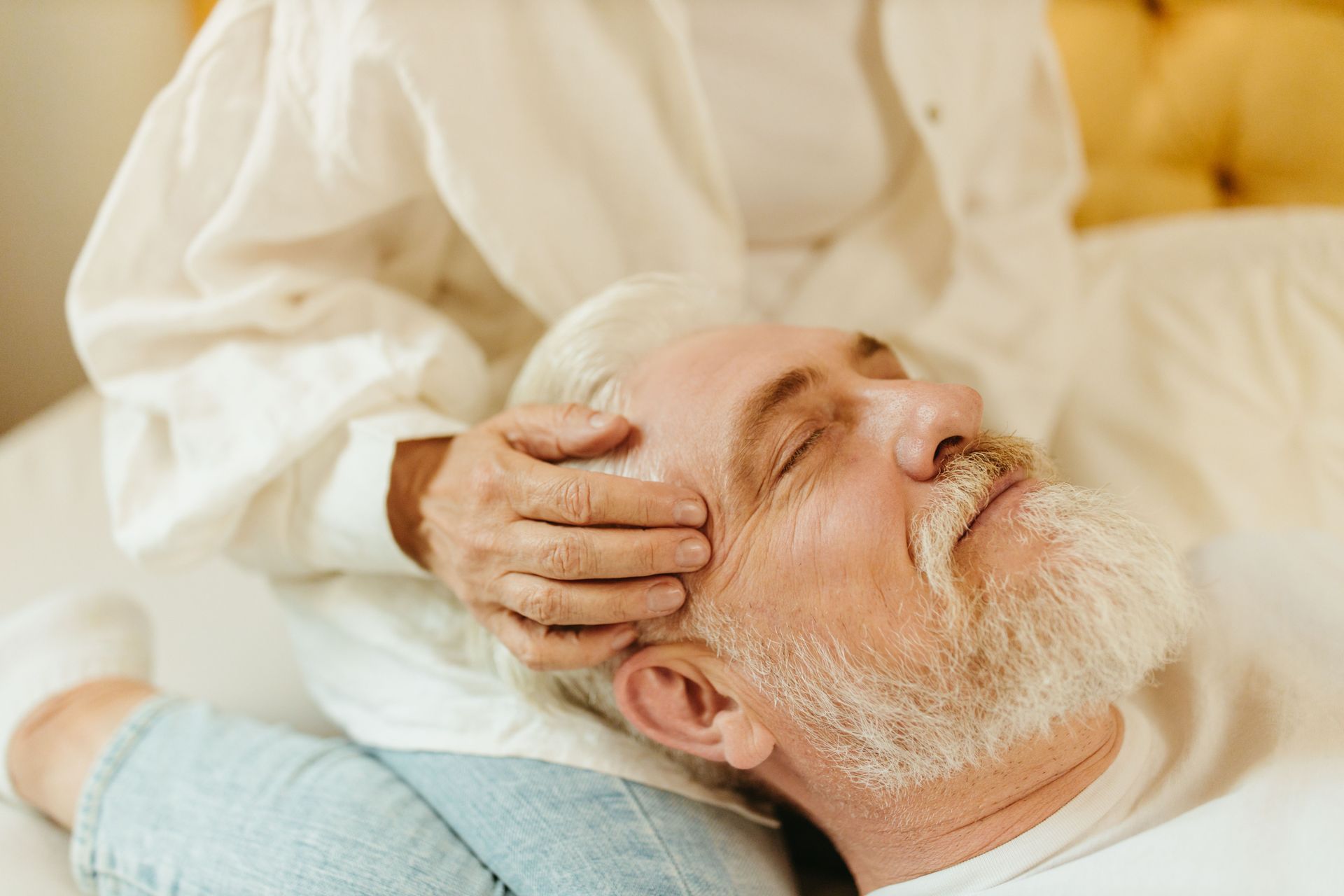
Mental health support during this period is equally important. Emotional lows after extended celebrations are common and should be normalized. Encouraging open conversations, practicing grounding techniques, and maintaining therapeutic services help prevent short-term stress from becoming long-term distress. For some individuals, this may also be an ideal time to reassess care plans, therapeutic goals, or support strategies.
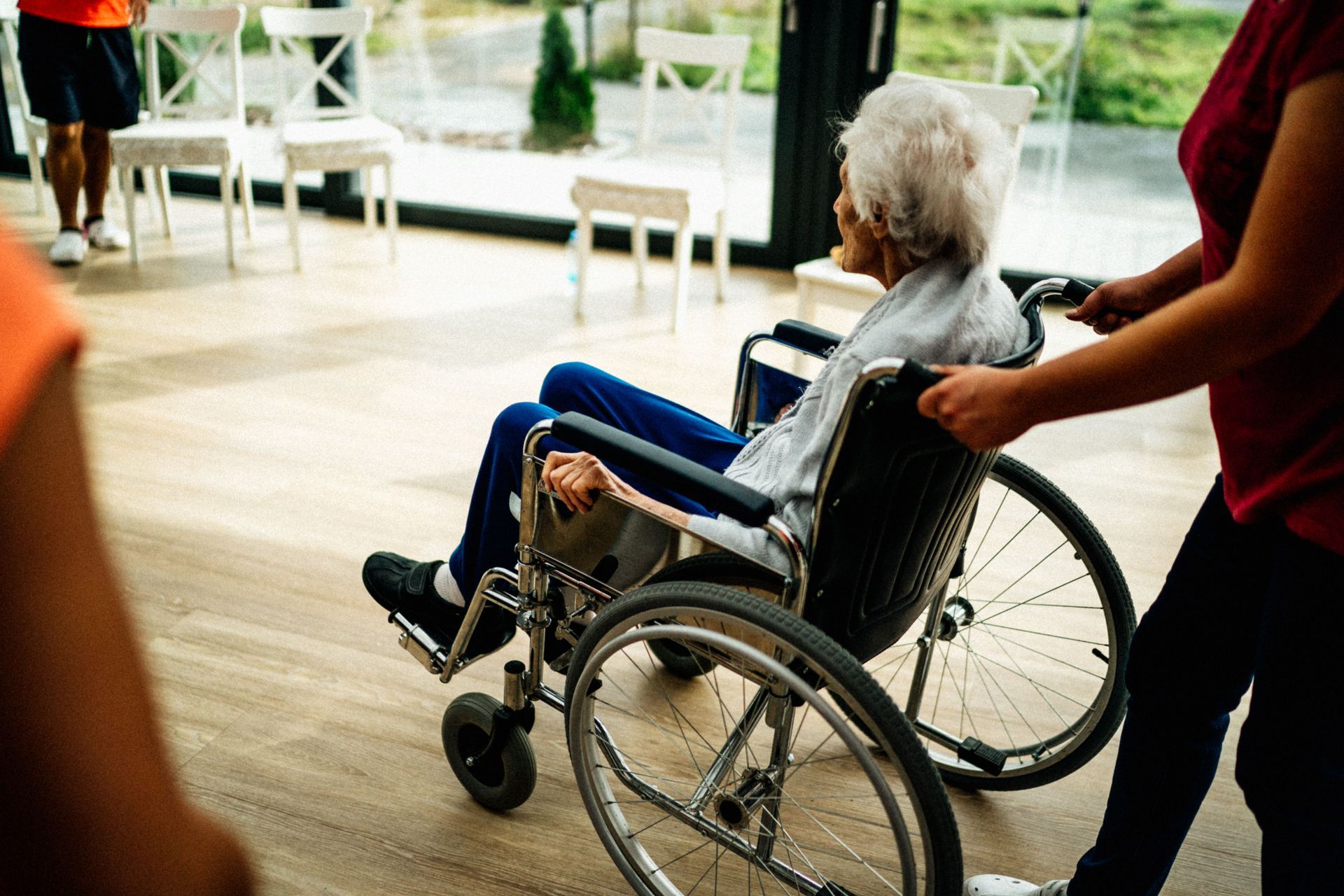
Community-based care providers play an essential role in helping individuals regain balance.
Through structured programs, compassionate support, and individualized care, people can transition from seasonal stimulation back into routines that promote independence, confidence, and emotional well-being.
If you or a loved one needs structured, compassionate support during seasonal transitions, connect with a trusted care provider today to explore personalized mental health and developmental services.
#MentalHealthSupport #DevelopmentalDisabilities #Maryland #CareAfterTheHolidays #WellnessTransition #CommunityCare #globalhandsinc